
Reviewed · ANCHORAGE NORTHERN LIGHTS TOURS
Northern Lights Adventure of a Liftetime from Anchorage
Chasing the aurora is a patience game. This photography-focused night trip from Anchorage is built around small-group guidance and serious photo help from Scott, so you’re not just hoping the sky performs. You depart at 8:00 pm and spend the evening searching, learning, and adjusting as conditions change.
I love that you get personalized instruction plus free high-resolution copies of photos taken during the night. The only real drawback is the same thing that makes aurora trips thrilling: nature runs the show, so you may end up with faint lights, cloud cover, or long waiting in cold weather.
In This Review
- Key takeaways before you go
- A 10-hour northern lights chase with a photographer in Anchorage
- Scott’s small-group setup: comfort, control, and real instructions
- Aurora forecast rules that protect your money and your night
- How the night unfolds: searching, waiting, and keeping you shooting
- Camera coaching that works for phones and real cameras
- Cold-weather practicalities: staying warm for hours outdoors
- Price and value at $320: what you’re really paying for
- Is this the right fit? When to book, and when to consider alternatives
- FAQ
- What time does the northern lights tour start?
- How long is the tour?
- How many people are in the group?
- When does the tour run?
- Does the tour include pickup and drop-off?
- What happens if the aurora odds or weather are poor?
Key takeaways before you go
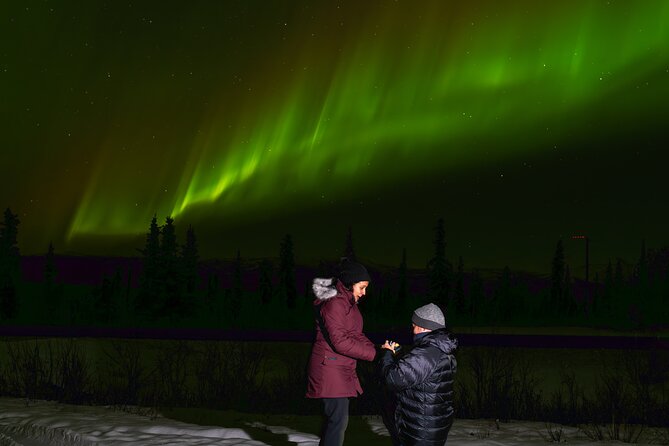
- Max 5 travelers: you get hands-on help instead of a crowd with a quick tip or two.
- Scott as your photo guide: personalized coaching on how to capture aurora shots, not just where to stand.
- No-rush timing (8 to 10 hours): you stay out long enough for the sky to decide to cooperate.
- Forecast-based decisions: if the chance is too low, the trip cancels and refunds are issued.
- Free high-resolution photo copies: you leave with images even if your own camera lags behind.
- Comfort matters: hot drinks, snacks, warm seating, and the car kept running for heat while you wait.
A 10-hour northern lights chase with a photographer in Anchorage
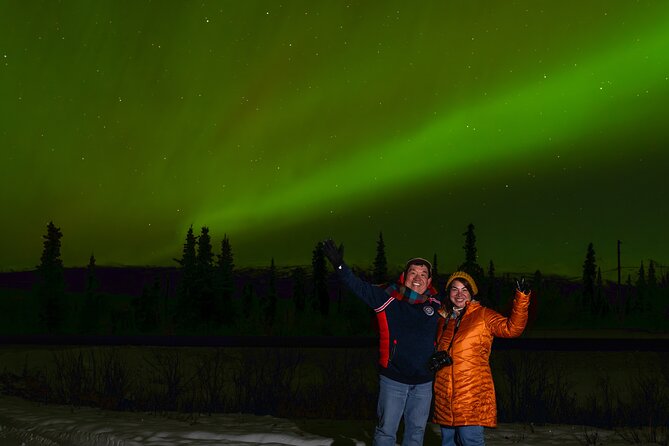
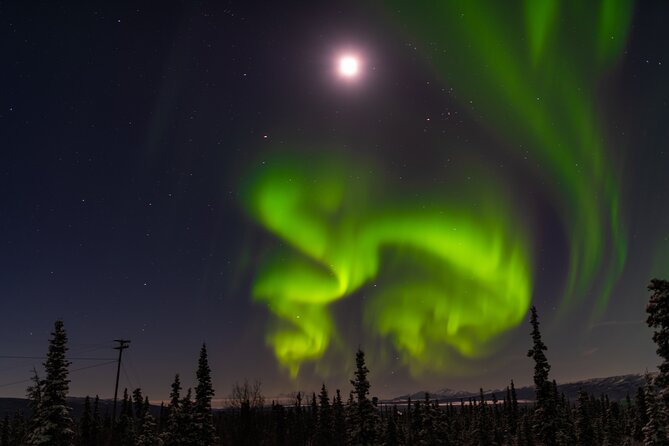
This is a night out of Anchorage designed for people who want more than a quick look at the aurora. It’s timed to start at 8:00 pm, and the experience usually lasts about 8 to 10 hours, so you’re not rushing from one viewpoint to the next. That extra time matters, because auroras can be quiet for stretches, then suddenly flare, twist, and brighten.
What makes this tour feel different is the “photo hunt” mindset. The guide isn’t just scouting for lights; Scott works with you on technique while you wait. That means you’ll spend the night doing practical stuff: setting up properly, understanding what you’re seeing, and learning why your first few photos might look dim until you tweak them.
The big win here is that you’re more likely to come home with images you’re actually proud of. You also get the reality check upfront: the tour uses forecasting, but there’s never a guarantee. You’re paying to improve your odds and make the most of the time when the sky delivers.
More chances to stand under the aurora
Scott’s small-group setup: comfort, control, and real instructions
You’re capped at 5 travelers, and that changes everything. In a big group, the guide can only give generic advice. Here, Scott can actually help you correct issues on the spot—like settings, focus, and framing—without making everyone wait their turn.
Scott’s role blends three things:
1) Finding a low-light-pollution spot (far enough from Anchorage that the aurora can show).
2) Teaching during the night, so you’re improving as you go.
3) Taking photos during the event, then sharing high-resolution copies for free.
That last point is quietly huge. Even if you bring a phone, or even if your camera struggles at first, you’re not left with only blurry results. Reviews repeatedly highlight the feeling of being supported rather than abandoned with a checklist.
Comfort is also part of the setup. People mention a warm place to sit while waiting, plus hot drinks and snacks. The guide also keeps everyone warm during cold stretches, and the car is run so you can warm up as needed. If you’ve ever done an outdoor night activity and realized you’re fighting the cold instead of enjoying the experience, you’ll appreciate that this tour tries to solve for that.
Aurora forecast rules that protect your money and your night
Northern lights tours can be frustrating when the decision-making feels random. This one tries to remove some of that uncertainty. The tour tracks aurora conditions using paid forecast tools, focusing on:
- Aurora forecast probability
- Weather and cloud conditions
- Where the lights are likely to be visible from
Here’s the key point for your planning: the trip has a clear trigger system.
- If the chance of seeing the lights is below 30%, the tour is canceled and you get a full refund.
- If it’s 30% to 70%, you can cancel for a full refund or continue.
- If it’s 70% or higher, the tour continues and there’s no chance for refund.
I like the logic because it’s straightforward. It also respects what matters most for aurora photography: clear skies and real viewing odds, not wishful thinking.
The same practical idea shows up in how the guide handles the night. If the sky isn’t clear enough, Scott won’t just force it. That can mean more waiting, but it also means you’re not spending your limited time chasing a faint possibility.
How the night unfolds: searching, waiting, and keeping you shooting
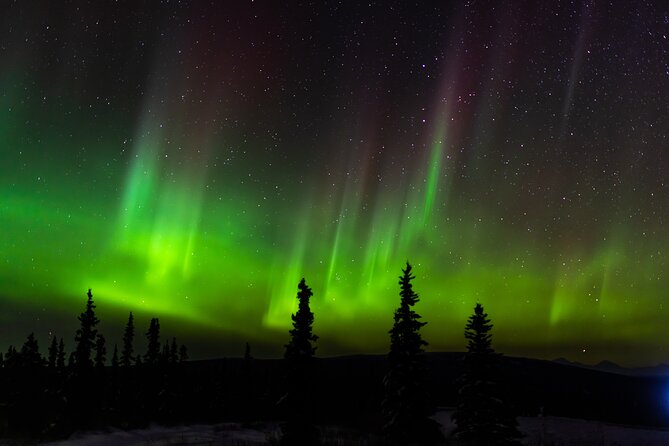
The trip starts at 8:00 pm and runs about 8 to 10 hours. During that time, the pattern is usually a loop of searching, setting up, and waiting for the aurora to show.
While the exact route can vary based on conditions, the structure stays consistent:
1) Leaving Anchorage with the goal of reducing light pollution.
2) Arriving at a viewing area where the sky has the best chance to cooperate.
3) Spending time outside long enough for aurora activity to build.
4) Photo coaching while waiting, including how to adjust your approach when the lights shift.
Scott also actively monitors group comfort. That includes making sure you can manage the cold between bursts of activity. People mention warm seating areas, hot beverages, and supplies like blankets and hand warmers. The car staying running for heat is another small detail that makes a big difference when your hands start going numb.
One interesting nuance from feedback: the best aurora show sometimes depends on timing across multiple nights, and this tour’s approach tries to maximize that. When lights are faint or delayed, the guide keeps everyone engaged rather than letting the trip feel like a long, silent wait. If you miss the “big show” on the first night, the guide’s focus is still on making the experience meaningful—education, technique, and readiness for when the sky finally performs.
There is one potential drawback to keep in mind. In rare cases, a viewing spot might be closer to a road than you’d expect, which can mean traffic light spill. Most experiences describe very dark, private-feeling spots, but conditions and access can force compromises. If you’re sensitive to light pollution, it’s worth knowing that your best outcome depends on the forecast and the route that day.
Camera coaching that works for phones and real cameras
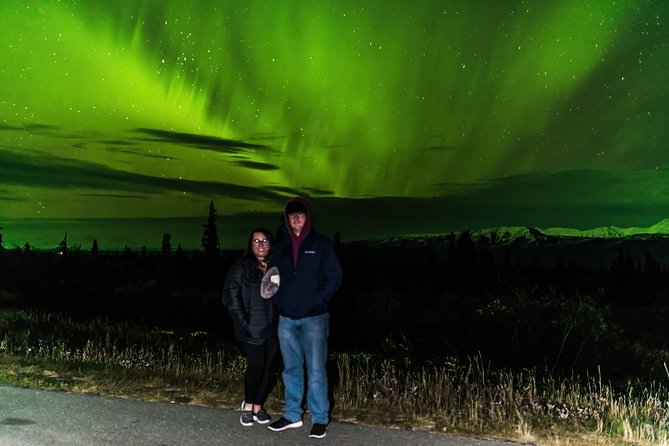
This tour is photography-led, but it’s not limited to people with expensive gear. Scott helps with both cameras and phones, and that matters because many aurora photos fail for the same reason: settings and exposure. Your phone can do a lot, but you often need the right night mode behavior and the right way to frame motion and brightness.
From the experience details, you can expect personalized instruction like:
- How to set up for night shots (so the aurora isn’t just a smudge)
- How to adjust when the lights look faint to your eyes
- Tips for getting the colors and motion without overexposing
A particularly useful takeaway from feedback: Scott doesn’t assume your device is already perfect. People describe help with phone settings for night capture, including guidance that made their images noticeably better. That’s valuable because aurora photography isn’t about one “correct” button; it’s about adapting to what the sky is doing at that moment.
Another important element: Scott takes photos during the night and provides high-resolution copies for free. So even if your own first attempt doesn’t come out the way you want, you still get real results from the guide’s work. That creates a safety net and makes the learning curve feel easier.
Cold-weather practicalities: staying warm for hours outdoors
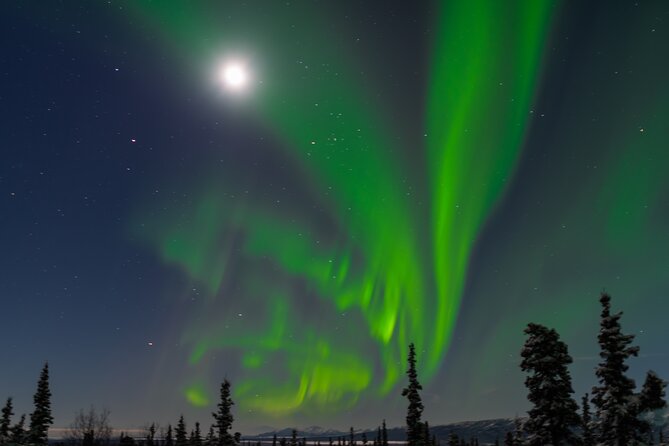
Aurora hunting can be brutal if you treat it like a casual evening walk. This tour clearly plans for the reality that you’ll be outside for long stretches while watching the sky.
What you’re told (and what you’ll want to plan for) is simple:
- You need warm clothing because “warm car time” is not all the time.
- Even with a heat-running vehicle, the outside can still be very cold.
- The guide supplies extras that help you last longer outside, like warm seating and hot drinks.
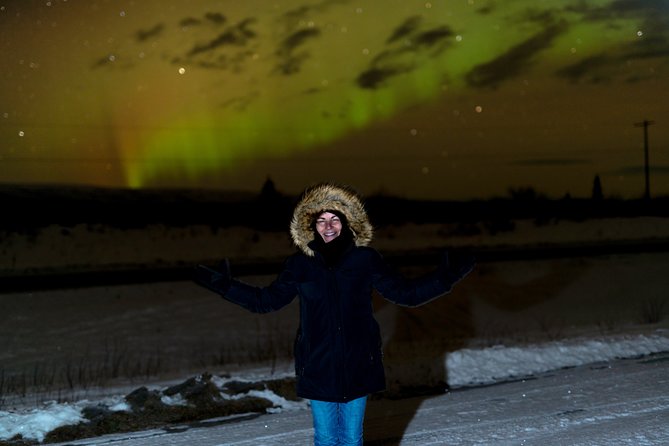
People specifically call out the guide’s attention to comfort—keeping you warm while you wait, and having the group set up so you’re not stuck shivering the whole show. The presence of blankets, chairs, and hand warmers in feedback suggests this isn’t a barebones roadside stop.
One practical thing I’d encourage: avoid being caught by surprise with cold hands and tired fingers. Aurora photography can keep you focused for hours, and fatigue makes it harder to adjust settings. Build in moments to warm up between shooting bursts. If you’re going to bring a camera, consider how you’ll manage gloves, getting to buttons, and reading the screen in the dark.
Also, if you tend to get cold easily, treat this tour like a winter outing first, photography second. When you stay comfortable, you’ll actually enjoy the experience—and you’ll be better at taking photos because your hands work.
Price and value at $320: what you’re really paying for
At $320 per person, this isn’t a budget add-on. So here’s how I’d think about value.
You’re paying for:
- Round-trip transportation with hotel pickup and drop-off (so you’re not figuring out where to go at 10:00 pm).
- A pro photographer guide (Scott) whose job is to increase your odds of getting both viewing and photos.
- Personalized photo instruction during the night.
- Free high-resolution photo copies after the tour.
- A small-group setup (max 5), which reduces waiting for help.
- Time that matches how auroras behave (8 to 10 hours, not a rushed 90-minute drive-by).
If you’ve done aurora trips where you stand in the dark with a vague “good luck,” that contrast is what you’re paying for. Even if the lights are faint, you’re likely to leave with better photos, better technique, and a more guided experience than you’d get by renting a car and playing it by ear.
The other value piece is the forecast rule that can cancel the trip under low probability. That reduces the odds of paying for a night that was never going to have a real chance. It’s not a guarantee, but it’s a smarter way to manage your time and money.
Finally, note the schedule window: it runs Sept 1 through May 1. If you’re traveling in-season, book when you can—this experience is commonly booked about 57 days in advance on average, which tells you the small-group spots go.
Is this the right fit? When to book, and when to consider alternatives
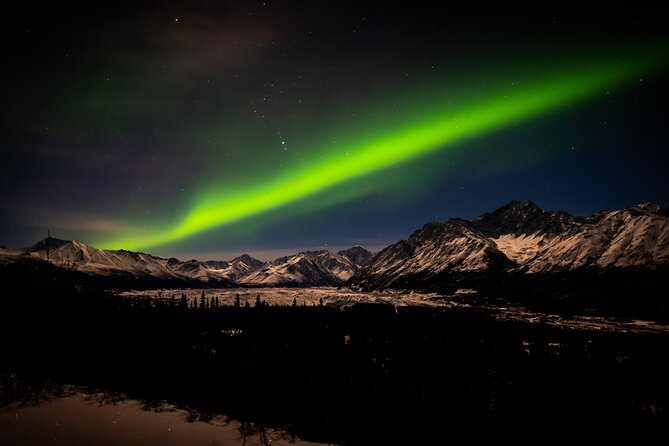
This tour is a great match if you want:
- Aurora viewing plus real photography coaching
- A small group and more time outside (not just quick photo ops)
- A guide who monitors comfort and helps you stay ready for the sky’s best moments
- A backup plan for your own photos via free high-resolution images taken by Scott
You might reconsider if:
- You only want a quick, simple night out and don’t care about learning photography
- You’re not prepared for cold-weather waiting and time outdoors
- You strongly expect a perfectly private, totally road-free spot every time (because conditions can force tradeoffs)
My “decision rule” is this: if you want to improve your aurora photos while also getting a guided, comfort-focused experience, I think this is worth serious consideration. If you’re hoping for a guaranteed show on any random night, you’ll still be taking your chances—because the sky isn’t on a schedule.
FAQ
What time does the northern lights tour start?
The tour start time is 8:00 pm.
How long is the tour?
It lasts about 10 hours (and trips typically run 8 to 10 hours).
How many people are in the group?
The tour has a maximum of 5 travelers.
When does the tour run?
It runs Sept 1 through May 1.
Does the tour include pickup and drop-off?
Yes. Hotel pick-up and drop-off are included, and pickup offered is part of the experience.
What happens if the aurora odds or weather are poor?
The trip requires good conditions. If the chance of seeing the lights is less than 30%, it’s canceled with a full refund. If it’s 30% to 70%, you can cancel for a full refund or continue. If it’s 70% or higher, the tour continues with no chance for refund. If canceled due to poor weather, you’ll be offered a different date or a full refund.
More Tour Reviews in Anchorage
- Anchorage Trolley Tour★ 4.5 · 2,607 reviews
- Wildlife and Glaciers with a walk in the Rainforest★ 4.5 · 719 reviews
- Dog Sledding Adventure in Willow, Alaska★ 5.0 · 398 reviews
- Grand Knik Helicopter Tour – 2 hours 3 landings – ANCHORAGE AREA★ 5.0 · 374 reviews
Under the Alaska Aurora
- Anchorage Aurora Tour and Northern Lights Photo★ 4.5 · 156 reviews
- Anchorage Northern Lights Tour★ 4.5 · 125 reviews
- Anchorage: Aurora Borealis Northern Lights Photography Tour★ 4.4 · 33 reviews
- Northern Lights UTV Tour with Roundtrip Transportation★ 5.0 · 3 reviews
Fresh Off the Ice: New Anchorage Reviews
- Northern Lights UTV Tour with Roundtrip Transportation
★ 5.0 · 3 reviews - Knik River Lazy River Float Trip
★ 5.0 · 3 reviews - From Anchorage: Chugach State Park Walk with Naturalist
★ 5.0 · 3 reviews - Anchorage: Scenic Tour to Wildlife Center with hotel pickup
★ 5.0 · 3 reviews - Anchorage Brews Tour
★ 5.0 · 3 reviews - Full Day Guided Kayak Tour on Knik River
★ 5.0 · 3 reviews
Anchorage Northern Lights Tours, compared.
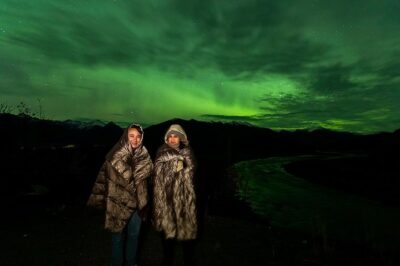 ★ 4.5Anchorage Aurora Tour and Northern Lights PhotoFrom $315156 reviews
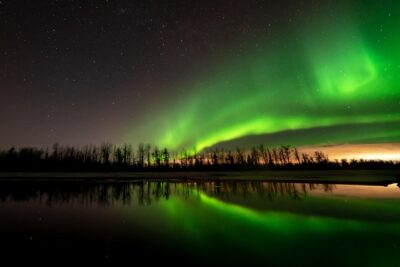 ★ 4.5Anchorage Northern Lights TourFrom $354125 reviews
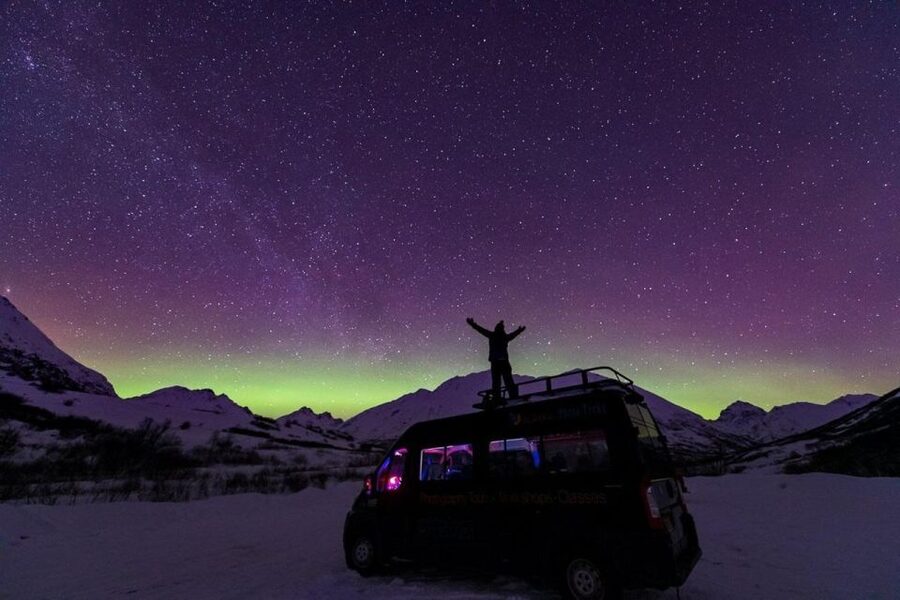 ★ 4.4Aurora Borealis Northern Lights Photography TourFrom $31233 reviews
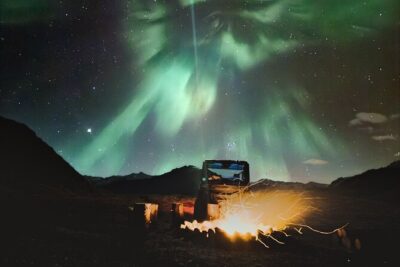 ★ 5.0Northern Lights UTV Tour with Roundtrip Transportation3 reviews
Browse the lists this tour appears in