
Reviewed · ALASKA WINTER & SNOWMOBILE TOURS
From Anchorage: Glen Alps Beginner’s Snowshoeing Adventure
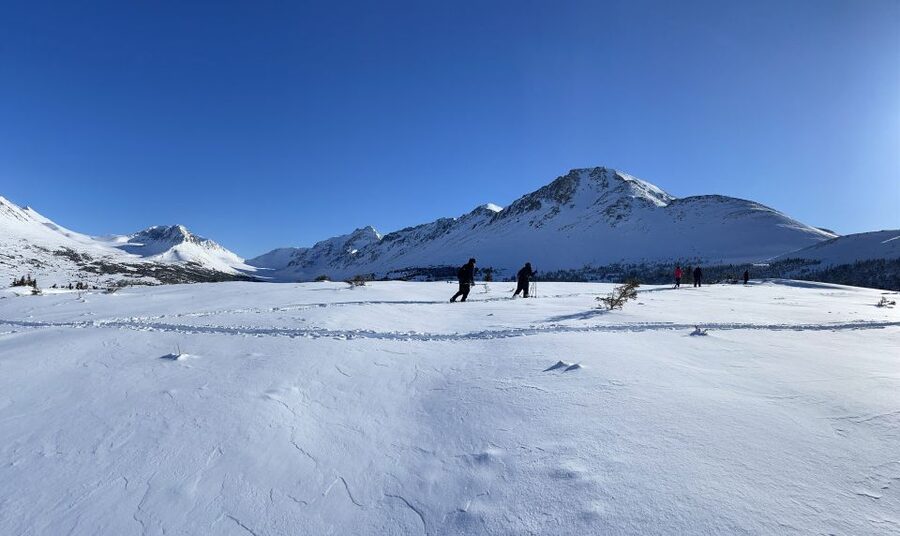
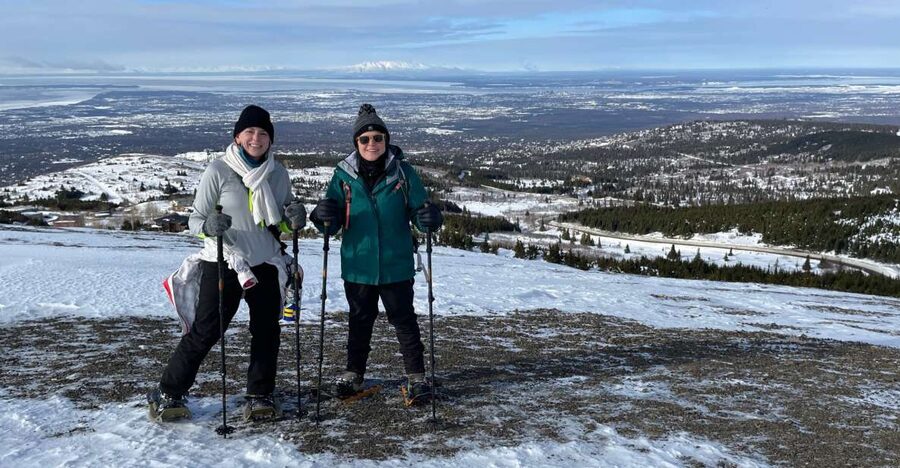
Some days you just want to get outside fast. This beginner-friendly snowshoe outing does exactly that in Anchorage’s Glen Alps. You’ll start with an easy practice session, then head into the Chugach Mountains for big views over the Anchorage Bowl and Cook Inlet.
I especially like two things: the built-in snowshoe skills lesson that helps you feel steady right away, and the way the route mixes forest walking with open, photo-friendly spots. With naturalist-style guidance, you’re not just “walking in snow” either—you’re learning what makes this alpine spruce country tick.
The main drawback to consider is the physical side. Even though it’s labeled beginner, you should be ready for steep and hilly sections and the need to walk a few miles on uneven terrain during the 3-hour experience.
In This Review
- Key things to know before you go
- First Steps: How the Snowshoe Lesson Changes Everything
- Getting from Anchorage to the Chugach: A Short Ride, Big Change of Scene
- Walking the Glen Alps: Hemlock Forests, Alpine Meadows, and Valley Views
- The hemlock forest stretch
- The alpine meadows and the open views
- Wildlife Chances Without the Guarantee: What You Can Realistically Hope For
- Naturalist Learning: Alpine Spruce Forests and Why This Place Looks the Way It Does
- Views Over Anchorage: Timing Your Stops for Photos and Rest
- Included Gear and Optional Add-Ons: Simple Setup, Fewer Headaches
- What to Wear: Cold-Weather Basics That Actually Work
- Price and Value: Why $129 for 3 Hours Can Make Sense
- Who This Trip Fits Best (and Who Should Skip It)
- Should You Book This Glen Alps Beginner Snowshoeing Adventure?
- FAQ
- How long is the snowshoeing adventure?
- How much does it cost?
- Where do I meet for the tour?
- Is transportation from Anchorage included?
- What’s included in the price?
- Do I need snowshoe experience?
- What should I bring (and what should I avoid)?
Key things to know before you go
- Snowshoe practice first so you get your balance before leaving the parking area
- Small group size (max 12) which makes it easier to ask questions and keep up
- Wildlife spotting is part of the plan including chances for moose, hares, and lynx
- Views pay off across the Anchorage Bowl, Cook Inlet, and the South Fork Campbell Creek Valley
- Nature learning from the guides with a focus on alpine spruce forests
- Included snacks, water, and snowshoes plus optional day packs and trekking poles
First Steps: How the Snowshoe Lesson Changes Everything
If you’ve never worn snowshoes, you might assume it’s just step-step-step and hope for the best. Here, you’ll get a proper setup so you can actually enjoy the walk instead of wrestling gear the whole time.
Before you head out into the Glen Alps, you’ll spend time getting comfortable. You’ll start by walking around the parking area to learn how the snowshoes sit on your boots and how your weight shifts. It sounds simple, but it’s the difference between feeling awkward for the first hour versus getting your bearings fast. You adjust your stance, learn what feels stable, and build confidence quickly.
This is also where the guide style matters. In recent trips, guides like Mike and Lea were singled out for being encouraging and educational, not just “reciting facts.” That matters because beginners tend to worry about keeping up. When your guide explains how to move on snow, you stop thinking about your feet and start watching the woods.
And yes, you’ll still be learning in motion. Snowshoe technique is partly balance, partly rhythm. Once you find that rhythm, the rest of the trek feels natural.
More cold-weather runs across the snow
Getting from Anchorage to the Chugach: A Short Ride, Big Change of Scene
The activity is designed for people staying in downtown Anchorage, with transportation included from the downtown area. You’ll meet at the front of the Egan Center, and if you’re driving yourself, there are parking garages nearby.
The practical win here is time management. You’re not spending half the day commuting to a remote trailhead and negotiating logistics. Instead, you get moved into the Anchorage-area winter terrain where the Chugach Mountains begin to feel close.
That matters because the “Alaska effect” is real: once you’re out of town and into snow-covered country, everything changes. The air feels sharper. The quiet feels louder. And the views tend to open up faster than you expect, especially on clear days.
Walking the Glen Alps: Hemlock Forests, Alpine Meadows, and Valley Views
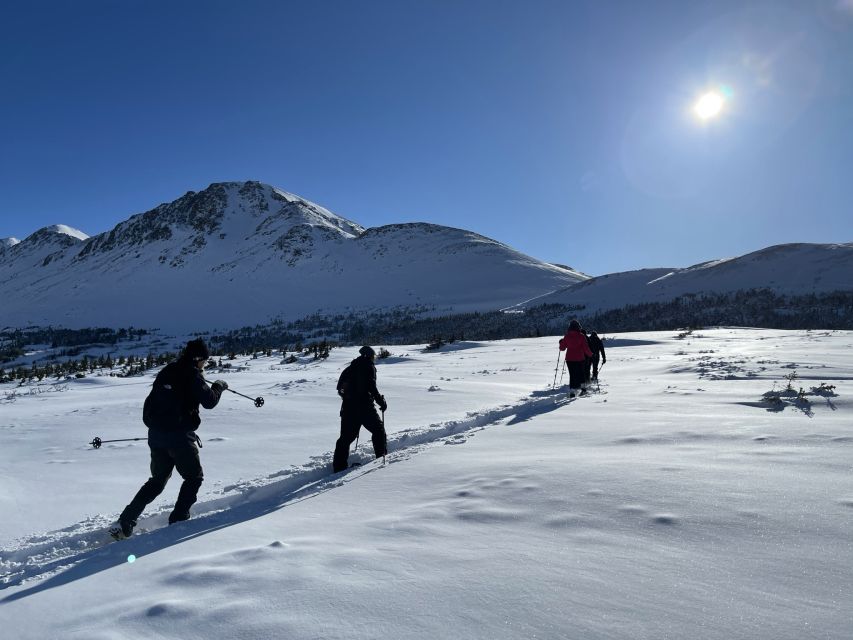
After the introduction, the real adventure starts with a route that takes you about two miles through a mix of hemlock forests and snow-covered alpine meadows. For a 3-hour outing, that distance is an intentional sweet spot. It gives you enough time outdoors to feel like you actually did something, while still keeping the pace reasonable for first-timers.
The hemlock forest stretch
The hemlock section is where you learn how snow moves underfoot. In forested areas, the terrain can feel slightly different from open meadow stretches—there’s more unevenness, more roots or subtle dips, and generally more visual clutter. That’s good for beginners. You can focus on technique without feeling like you’re staring at distance the whole time.
Also, forests make wildlife spotting possible in a low-stress way. When visibility is natural (through trees and snow texture), animals that stay still often become easier to notice.
The alpine meadows and the open views
Then the trip opens up. Meadows bring you straight into the view zone. This is where you can look across the Anchorage Bowl and out toward Cook Inlet. You’ll also have chances for photos of the South Fork Campbell Creek Valley.
One thing I like about this kind of route is how it helps you understand the geography quickly. You get forest, then open snow country, then valley views. In one short session, you’re learning what “winter terrain” means in this part of Alaska, not just what it looks like from a viewpoint.
And if snowshoeing is new to you, open stretches are where you’ll feel your technique click. The first steps may be clunky, but once your stride is steady, you start moving with purpose.
Wildlife Chances Without the Guarantee: What You Can Realistically Hope For
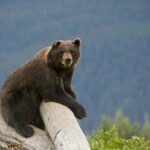
This trek is run as a nature-focused walk, and wildlife is part of the story. You’ll get opportunities to spot roaming animals, including moose, hares, and lynx, plus birds.
Here’s the balanced truth you should plan for: wildlife sightings are never guaranteed on a short outing. But the guide does set things up for better odds by moving through habitat and keeping an eye on what’s around you. Snow and winter behavior can make signs easier to spot than in summer, but animals still do their own thing.
When you see something, the best move is usually to pause and let your guide do the timing. You’ll often learn what you’re looking at (track patterns, fur types, or bird calls) and how to view without spooking the animal.
One tip that’s worth adopting: bring your camera ready, not buried. On a snowshoe trek, you don’t want to waste time fumbling with pockets mid-trail. If you’re watching wildlife, quick access matters.
Naturalist Learning: Alpine Spruce Forests and Why This Place Looks the Way It Does
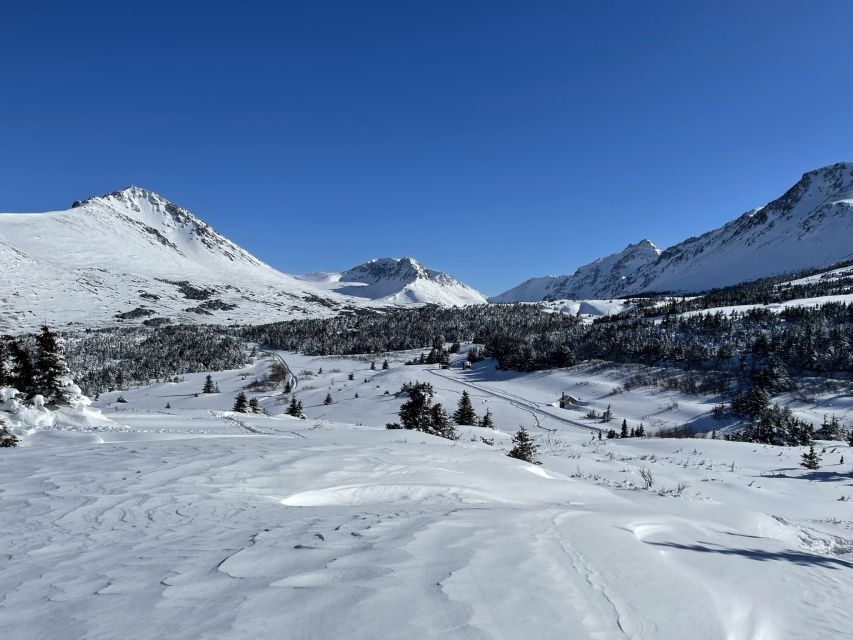
A big reason this tour is more valuable than a basic snow walk is the education component. The guides teach you about Alaska’s alpine spruce forests as you go, so you can connect the scenery to a living system.
Even if you don’t consider yourself a “nature person,” this is the sort of info that makes your photos better. When you understand the role of the trees and the way winter conditions shape growth, the forest stops looking like a generic backdrop. It becomes a reasoned landscape—one shaped by climate, snow weight, and short growing seasons.
This is also where good guides earn their pay. In several experiences, Mike and Lea were praised for being knowledgeable and for sharing Anchorage and mountain-range context. That kind of storytelling helps you see the area like a local: not just “snow and trees,” but a specific corner of the Chugach with its own shape and rhythms.
Views Over Anchorage: Timing Your Stops for Photos and Rest
You’ll get viewpoints and photo opportunities during the walk, including in the valley area. Plan on short pauses, not long standstill breaks. That keeps your legs working and helps manage cold.
The best photography tip is patience with composition. Instead of chasing every wide shot, take a few minutes to frame what’s in front of you: the tree line, the valley shape, and the motion of snow under the light. On clear days, the contrast between dark evergreens and bright snow can be striking.
Also, use those pauses for practical rest: water breaks, snack bites, and a quick adjust of gloves or hat. Small actions keep you comfortable without turning the walk into a “wait for warmth” marathon.
Included Gear and Optional Add-Ons: Simple Setup, Fewer Headaches
Here’s what you don’t have to figure out:
- Snowshoes are provided
- Snacks and water are included
- Trekking poles are available if you request them
- Day packs are available if you request them
- There’s an official guide on the trek
For beginners, included gear is a major quality-of-life improvement. Snowshoe sizing and binding fit are not intuitive if you’ve never done it. Having the right gear from the start helps prevent blisters and awkward movement.
Optional trekking poles can be a big help if you’re still learning balance. If you’re worried about hills or uneven spots, I’d lean toward using them. Poles reduce strain on knees and improve stability when the surface changes.
Day packs matter too, because you’ll want somewhere for sunglasses, extra gloves, and a camera strap that stays out of snow.
What to Wear: Cold-Weather Basics That Actually Work
Alaska winter comfort is mostly about insulation and keeping moisture out. You’ll want to bring snow clothing, and the tour specifically lists:
- Sunglasses
- Hat
- Camera
- Hiking shoes (with appropriate winter traction)
- Gloves
- Snow clothing
A couple practical thoughts:
- Sunglasses are not optional if it’s bright. Snow glare can be brutal, even when the air feels crisp.
- Gloves matter because adjusting snowshoes, handling a camera, or flipping a hood is impossible with thin mittens.
- Wear footwear that lets you walk confidently. Snowshoeing asks more of your ankles and balance than flat, clear sidewalks.
If you run warm easily, consider layers you can vent. If you run cold easily, prioritize warmth without restricting movement. Snowshoe strides don’t like bulky gear that bunches up.
Price and Value: Why $129 for 3 Hours Can Make Sense
At $129 per person for 3 hours, this is priced for a guided beginner experience with gear and transportation built in. The real question is whether you’re paying for sightseeing—or paying to remove friction.
You’re getting:
- a guided snowshoe session (not just a “follow the leader” walk)
- snowshoes provided
- snacks and water
- optional trekking poles and day packs
- transportation from downtown Anchorage
- a small group capped at 12 participants
That combination is what makes the value feel fair. When snowshoeing is new, buying or renting the right gear, figuring out what trail conditions to expect, and learning how to move safely takes time. This trip compresses all that into one guided afternoon with a reasonable walking distance.
There’s also the “time worth” factor. One experience noted the drive felt about an hour total for the outing, which matters because you’re not trading your whole day for one short taste.
Who This Trip Fits Best (and Who Should Skip It)
This is a beginner adventure, and you don’t need snowshoe experience. But you do need basic endurance and mobility.
You should be able to walk:
- at least 3 miles on flat pavement, or
- 2.5 miles on uneven rolling terrain
over the course of about 2 hours.
Even if you can meet that bar, parts of the trail are steep and hilly, which puts more stress on areas you might not think about when you only train for level walking.
This trip isn’t suitable for people with:
- back problems
- mobility impairments
- heart problems
- wheelchair users
- respiratory issues
If any of those apply, it’s worth choosing a different kind of winter activity with a better match for your needs.
For everyone else, it’s a great way to try snowshoeing without guessing.
Should You Book This Glen Alps Beginner Snowshoeing Adventure?
Book it if you want a low-stress intro that still feels like real Alaska outdoors time. The mix of snowshoe practice, guided movement through hemlock forest and alpine meadow, and viewpoint stops over the Anchorage area makes it a smart first step.
Skip it if you want a fully flat, gentle walk, or if your health situation makes uneven winter terrain risky. Also think twice if you hate the idea of managing cold gear while staying active.
If you’re planning your first Anchorage winter day, this one is strong. It’s short enough to fit into a busy trip, and structured enough that you don’t spend the morning learning how to walk in snow.
FAQ
How long is the snowshoeing adventure?
It lasts about 3 hours.
How much does it cost?
The price is $129 per person.
Where do I meet for the tour?
You meet in front of the Egan Center. There are parking garages nearby.
Is transportation from Anchorage included?
Yes. Transportation from downtown Anchorage is included.
What’s included in the price?
You get a guided snowshoe trek, snowshoes, day packs and trekking poles if requested, snacks, and water.
Do I need snowshoe experience?
No experience is required, but you should be able to walk the distance and handle some steep, hilly parts during the outing.
What should I bring (and what should I avoid)?
Bring sunglasses, a hat, a camera, hiking shoes, gloves, and snow clothing. Pets, weapons or sharp objects, and drones are not allowed.
More Tour Reviews in Anchorage
- Anchorage Trolley Tour★ 4.5 · 2,607 reviews
- Wildlife and Glaciers with a walk in the Rainforest★ 4.5 · 719 reviews
- Dog Sledding Adventure in Willow, Alaska★ 5.0 · 398 reviews
- Grand Knik Helicopter Tour – 2 hours 3 landings – ANCHORAGE AREA★ 5.0 · 374 reviews
When Alaska Turns to Snow
- Winter Fat Biking Anchorage Tour★ 5.0 · 11 reviews
- Advanced Snowshoeing Adventure★ 5.0 · 6 reviews
Fresh Off the Ice: New Anchorage Reviews
- Northern Lights UTV Tour with Roundtrip Transportation
★ 5.0 · 3 reviews - Knik River Lazy River Float Trip
★ 5.0 · 3 reviews - From Anchorage: Chugach State Park Walk with Naturalist
★ 5.0 · 3 reviews - Anchorage: Scenic Tour to Wildlife Center with hotel pickup
★ 5.0 · 3 reviews - Anchorage Brews Tour
★ 5.0 · 3 reviews - Full Day Guided Kayak Tour on Knik River
★ 5.0 · 3 reviews
Alaska Winter & Snowmobile Tours, compared.
 ★ 5.0Winter Fat Biking Anchorage TourFrom $16911 reviews
 ★ 5.0Snowmobile Classic Tour in Kenai Fjords National ParkFrom $34210 reviews
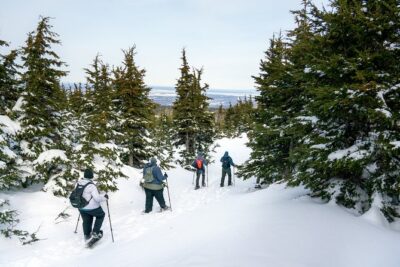 ★ 5.0Advanced Snowshoeing AdventureFrom $2386 reviews
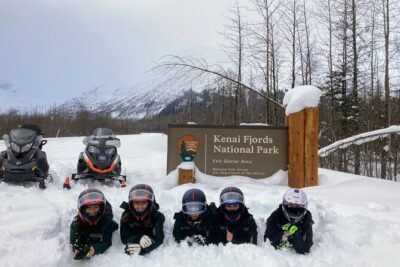 ★ 5.0Snowmobile and Snowshoe Dual Adventure in Kenai Fjords NPFrom $3983 reviews
Browse the lists this tour appears in