
Reviewed · PORTAGE GLACIER & WILDLIFE CENTER TOURS
Alaska Wildlife Tour
Alaska wildlife in four hours is realistic. This half-day Anchorage tour pairs Turnagain Arm scenic pullouts with the Alaska Wildlife Conservation Center, where rescue stories turn big animals into close, respectful encounters. It’s also built for convenience: hassle-free hotel pickup and a small group ride along the Seward Highway, with guides who keep you moving at a comfortable pace.
You do need good weather for the ride to happen, and wildlife sightings can’t be guaranteed on any given day.
In This Review
- Key Highlights That Matter
- A Half-Day Tour That Gives You Two Kinds of Wildlife Magic
- Hotel Pickup and the Ride That Sets the Tone
- Turnagain Arm: Why This Stretch of Water Gets So Much Attention
- Beluga Point: Shoreline Watching at the Right Time of Year
- Bird Point and the Wildlife-Spotting Mindset
- The Alaska Wildlife Conservation Center: Close-Up Wildlife Without the Risk
- A note on the walking
- Bug spray is not a joke
- Guides Make the Day: Eli, Christine, and Quick-Thinking Moments
- What You Can Realistically Expect to See
- No Lunch Stop: Plan Around the Snacks
- Price and Value: Is $119 Worth It?
- Who This Tour Suits Best
- Practical Tips Before You Go
- Should You Book This Alaska Wildlife Tour?
- FAQ
- How long is the Alaska Wildlife Tour?
- Where does the tour start and end?
- What does the tour cost?
- What stops are included?
- Is admission to the Alaska Wildlife Conservation Center included?
- Do you stop for lunch?
- What’s included in the ticket price besides guides and transport?
- Is there a rest break or restroom availability?
- How many people are in the group?
- What kind of walking is involved?
- What happens if weather is bad?
Key Highlights That Matter
- Turnagain Arm photo stops at Beluga Point and Bird Point for wide views and shoreline wildlife watching
- AWCC admission included so you can focus on animals instead of budgeting for entry
- A small max group size (11) that makes it easier to spot wildlife and ask questions
- Rescue-and-rehabilitation focus at Portage Valley’s center with animals you may never see safely in the wild
- Local guides who adjust on the fly, including quick thinking during a real alert situation on one tour day
A Half-Day Tour That Gives You Two Kinds of Wildlife Magic
This tour is the kind of Anchorage outing that works when you don’t want to commit to a full day, but you still want real animal time. You get both sides of Alaska wildlife viewing: the wild shoreline feel along Turnagain Arm, and then the conservation center where you can see large Alaskan animals up close (behind safety barriers, in a controlled setting).
The best part is pacing. You’re not spending the day on a bus with long stretches of nothing. The schedule is tight enough that you’ll feel you used your time well, but relaxed enough for a half-day format.
You’ll also appreciate the group size. With a maximum of 11 people, it’s easier to hear your guide, stop where you can actually see, and keep the mood friendly—not crowded.
More runs down to Portage and the wildlife center
Hotel Pickup and the Ride That Sets the Tone
The experience starts with morning pickup from the Anchorage area, returning to the same meeting point at the end. The meeting point is the William A. Egan Civic & Convention Center (555 W 5th Ave, Anchorage). Start time is 9:00 am, and the tour runs about 4 hours.
On the drive, you’ll travel along the Seward Parkway with commentary about the Turnagain Arm and Chugach National Forest area. This matters more than it sounds. In Alaska, wildlife is often about timing and small details—what direction light is hitting the water, what the tide is doing, where birds like to perch, and what species tend to show up around certain shorelines.
If you’re the type who enjoys learning while you move, this is your sweet spot.
Quick reality check: the tour is easy in effort, but it isn’t a no-walk day. You’ll be walking short distances on mixed surfaces, including uneven natural terrain. You need to be able to get in and out of the vehicle with minimal help.
Turnagain Arm: Why This Stretch of Water Gets So Much Attention
Turnagain Arm is the narrow branch of Cook Inlet that runs southeast of Anchorage. It’s famous for dramatic tides, big views of the surrounding mountains, and wildlife that shows up where land meets water.
One reason this area is so compelling is the tide range. The schedule builds in time to stop at multiple viewpoints so you’re not just seeing the water from one angle. Your guide makes several stops for photos and interpretation, and those quick stops can be the difference between a blank shoreline moment and a memorable one.
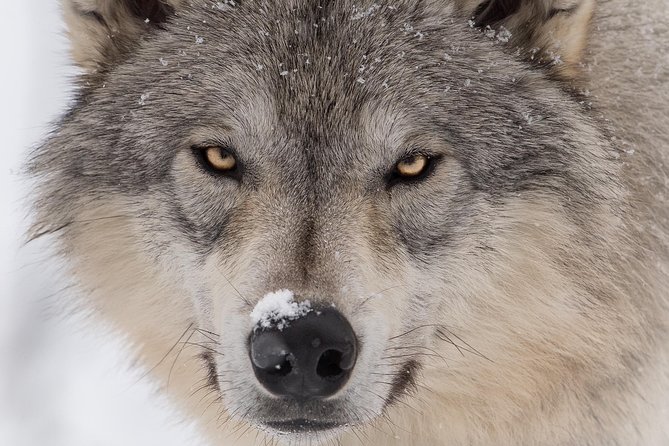
What you’re hunting for along the way can include eagles, moose, caribou, and other wildlife. You might also spot Dall sheep along the mountain slopes depending on conditions and visibility.
Also, this drive is part of the experience. The Seward Highway hugging Turnagain Arm is scenic in a practical way: you don’t need to hike for good views, and you can reposition fast when your guide points out something moving.
Beluga Point: Shoreline Watching at the Right Time of Year
Beluga Point is named for beluga whales that can be seen from the shoreline, especially in summer months (July through August). That seasonal note matters. If you’re outside that window, you might still enjoy the viewpoints, but the beluga part becomes less reliable.
This stop is also about the sense of place. You get mountains, ocean water, and shoreline wildlife watching in one clean package. And there’s a bonus phenomenon some days: a tidal bore, which is when a wall of water rushes in and can reverse the flow.
Even if the bore isn’t visible that day, you’re still getting a classic Turnagain Arm viewing experience—quiet, wide, and very Alaska.
Practical tip: bring a layer. Even on clear mornings, coastal winds can surprise you.
Bird Point and the Wildlife-Spotting Mindset
The tour includes stops with different vantage points, including Bird Point. It’s not just a random scenic pullout. Different points change your odds because wildlife tends to use certain lines of sight—shorelines for birds, open water edges for larger animals, and mountain edges for things that like to stay high and out of reach.
Your guide keeps you looking with intention, scanning for signs and interpreting what you’re seeing. That’s where small-group touring helps. With fewer people, your guide can adjust and make sure everyone has a workable view before moving on.
If you’re the kind of person who wants to do wildlife watching the right way—slow, patient, and observant—this portion fits you.
More Alaska wildlife to look for

The Alaska Wildlife Conservation Center: Close-Up Wildlife Without the Risk
Portage Valley’s Alaska Wildlife Conservation Center (AWCC) is the anchor of this tour. It opened to the public in 1993 and spans 140 acres at the southern edge of Turnagain Arm and the entrance to Portage Valley.
Here’s what makes AWCC different from a standard zoo-style stop: it focuses on injured and orphaned wild animals. Many of the animals you see are there because they can’t be released back into the wild, so you’re visiting a refuge that gives them long-term care.
You’ll likely spend about 2 hours on this stop, and admission is included. That’s a big value factor because entry fees can add up quickly in Alaska.
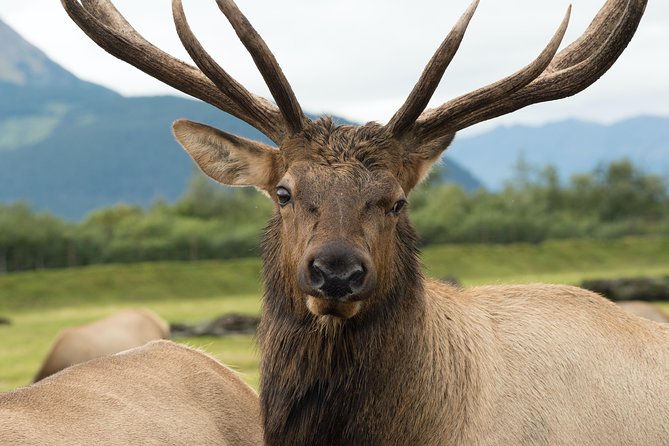
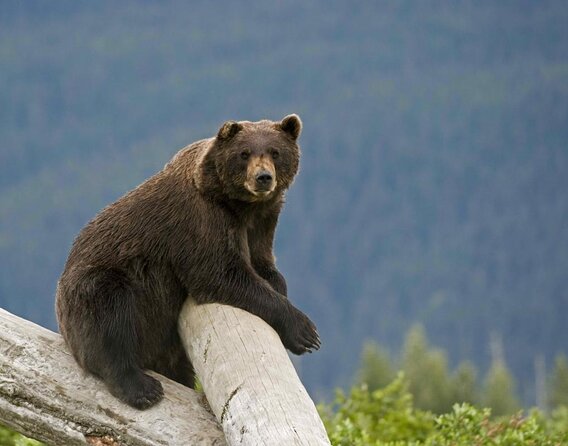
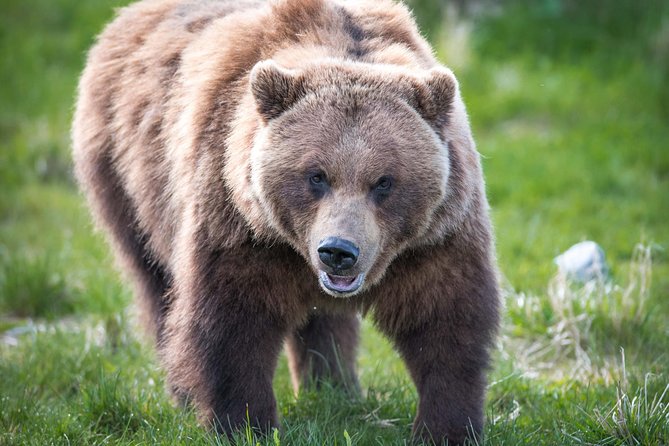
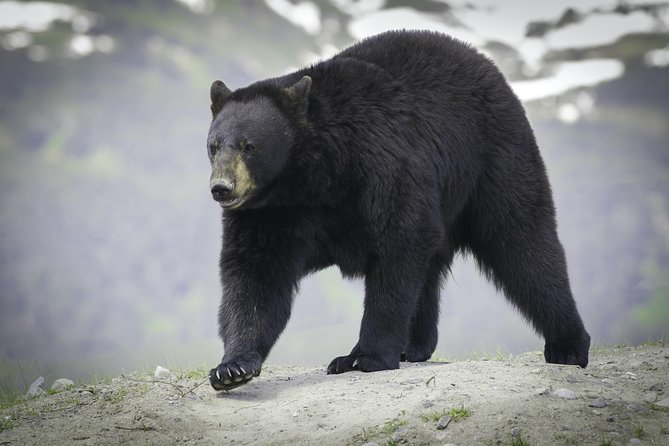
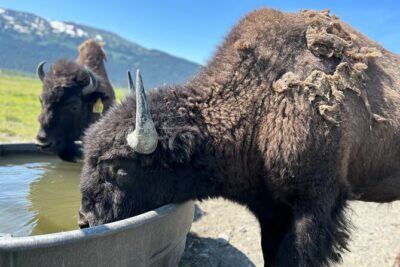
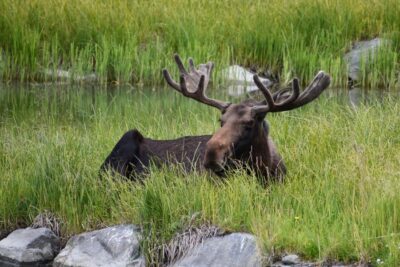
As you walk around the center, you’ll see large Alaskan land animals such as moose, bison, elk, deer, caribou, grizzly bears, musk ox, and more. You’ll also learn about the animals’ backstories as you go. In a place like this, stories matter. They turn a photo opportunity into something more meaningful and grounded.
A note on the walking
This part involves walking around the facility on mixed surfaces. It’s generally manageable, but it’s not a sit-and-look-only stop. Comfortable shoes help, especially if you want to linger where you can see an animal clearly.
Bug spray is not a joke
One very practical thing that came up is mosquitoes at the rehabilitation center. If you’re touring in warmer months, plan for it. Long sleeves or repellent can make a noticeable difference to how enjoyable your walk feels.
Guides Make the Day: Eli, Christine, and Quick-Thinking Moments
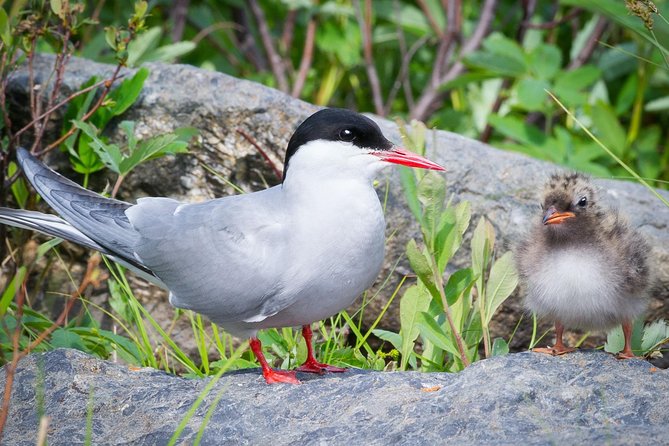
The single biggest quality signal here is the guides. Names you may hear include Eli and Christine, and there are also references to Kristine and Christina. Across multiple experiences, the common thread is energy plus strong interpretive storytelling—facts you can actually use in the moment.
Eli is repeatedly described as friendly and highly engaged, with real effort to find belugas at Beluga Point and spot eagles along the route. Christine and Christina show up as energetic, history-and-wildlife minded, and especially good at setting up photo opportunities.
One standout story worth noting is a day when a regional earthquake (reported as 7.2) and tsunami warnings affected the area. On that tour day, Eli handled it calmly and quickly worked through threat guidance, then drove toward higher ground until the situation became clearer before returning to the tour. That kind of response tells you the operator takes safety seriously, not just vibes.
And even when sightings aren’t perfect, a good guide keeps the day moving and meaningful.
What You Can Realistically Expect to See
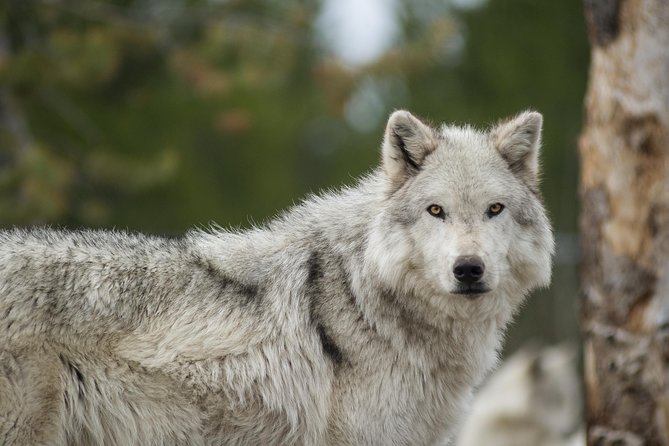
If your goal is to tick off wildlife sightings, this tour gives you two shots on goal: shoreline wildlife viewing and AWCC animal encounters.
Shoreline viewing can be hit-or-miss. Turnagain Arm is wildlife-rich, but conditions, season, tide timing, and luck matter. You might see belugas in summer, and you might spot eagles, Dall sheep, and maybe moose or caribou, depending on where the animals decide to show up that day.
At AWCC, your odds are steadier for seeing large mammals up close behind safety fencing. You still might not see every species you’re hoping for, but you are visiting a rehabilitation center where animals are housed and cared for purposefully.
So if you’re worried about spending time in Alaska and not getting enough wildlife, this mix is a smart hedge.
No Lunch Stop: Plan Around the Snacks
The tour includes light snacks and water, but there’s no lunch stop. That’s not a dealbreaker, but it does change how you should prepare.
If you tend to get hungry, treat the snacks as “bridge fuel,” not a meal. Bringing a small extra snack from your hotel can save you from feeling off your game during the longer center walk.
Also, if you’re easily affected by cold or wind, eat early and keep moving. It helps you enjoy the day instead of feeling sluggish while waiting for a wildlife moment.
Price and Value: Is $119 Worth It?
At $119 per person for roughly 4 hours, you’re paying for three things that add real value:
1) Transportation and timing: hotel pickup and drop-off, plus an organized route along some of the best wildlife viewing roads near Anchorage.
2) A paid entry component: AWCC admission is included, and that’s the centerpiece of the itinerary.
3) Guide effort: the guides aren’t just reading facts. They’re making stops, helping you scan for animals, and teaching what you’re looking at.
This isn’t a budget chew-and-go outing. But it’s also not an all-day wilderness expedition. For many visitors in Anchorage with limited time, it lands in a good spot: enough value in the center, and enough roadside viewing time to make it feel like more than just a single-site visit.
Who This Tour Suits Best
This tour is a strong match if you:
- Want an Anchorage wildlife experience without committing to a full day
- Like learning in real time while you’re out driving and stopping
- Prefer smaller groups (max 11) for easier viewing and better conversation
- Want reliable animal viewing at AWCC, plus optional wild viewing along Turnagain Arm
It may be less ideal if you:
- Need a fully no-walk schedule (there’s some walking, even if short)
- Expect guaranteed wildlife sightings every time (even in Alaska, that’s not how nature works)
Practical Tips Before You Go
A few things can quietly improve your day:
- Wear layers. Coastal and tide-view areas can feel cooler than town.
- Bring bug spray in warmer months. Mosquitoes can be heavy around the rehabilitation center.
- Plan for short uneven walking. Trails and surfaces vary from paved to uneven natural terrain.
- Have flexible expectations for wildlife on the shoreline. Your best results come from patient scanning and your guide’s timing.
- Consider binoculars if you own them. The tour includes stops that are naturally suited to scanning waterlines and distant shore activity. (If you don’t have them, you can still have a great time looking with the group and your guide’s spotting.)
Should You Book This Alaska Wildlife Tour?
If you’re in Anchorage with a half-day window and you want both wild views and close-up animal care, I think this is a very sensible book. The AWCC admission included makes the math work, and the Turnagain Arm stops give you the scenic wildlife side that Anchorage is known for.
Book it if you want a guided day that feels respectful and practical, not just a checklist. And if wildlife sightings are your main goal, this tour gives you more reliable chances than a shoreline-only plan.
FAQ
How long is the Alaska Wildlife Tour?
It runs about 4 hours (approx.).
Where does the tour start and end?
It starts at the William A. Egan Civic & Convention Center (555 W 5th Ave, Anchorage, AK 99501) and ends back at the meeting point.
What does the tour cost?
The price is $119.00 per person.
What stops are included?
You’ll visit the Alaska Wildlife Conservation Center and make stops at Beluga Point and along Turnagain Arm for wildlife viewing and photo opportunities.
Is admission to the Alaska Wildlife Conservation Center included?
Yes. Entrance fee to the Alaska Wildlife Conservation Center is included.
Do you stop for lunch?
No. The tour does not stop for lunch.
What’s included in the ticket price besides guides and transport?
Pickup and drop-off, a professional local guide, light snacks and water, and a professional photographer guide when available.
Is there a rest break or restroom availability?
The tour information says there are restrooms available.
How many people are in the group?
The tour has a maximum of 11 travelers.
What kind of walking is involved?
It’s rated easy, but you should be able to walk short distances on uneven ground, and get in and out of the vehicle with minimal assistance.
What happens if weather is bad?
The experience requires good weather. If it’s canceled due to poor weather, you’ll be offered a different date or a full refund.
More Alaska Wildlife to Spot
- Wildlife and Glaciers with a walk in the Rainforest★ 4.5 · 719 reviews
- Glacier View & Wildlife Anchorage Adventure Tour★ 5.0 · 317 reviews
- Glaciers and Wildlife: Super Scenic Day Tour from Anchorage★ 5.0 · 286 reviews
- Valley of Glaciers Experience with Portage Glacier Cruise and Wildlife Tour★ 5.0 · 197 reviews
More Tour Reviews in Anchorage
- Anchorage Trolley Tour★ 4.5 · 2,607 reviews
- Wildlife and Glaciers with a walk in the Rainforest★ 4.5 · 719 reviews
- Dog Sledding Adventure in Willow, Alaska★ 5.0 · 398 reviews
- Grand Knik Helicopter Tour – 2 hours 3 landings – ANCHORAGE AREA★ 5.0 · 374 reviews
Down to Portage and the Wildlife Center
- Valley of Glaciers Experience with Portage Glacier Cruise and Wildlife Tour★ 5.0 · 197 reviews
- From Anchorage: Alaska Wildlife Center & Turnagain Arm Tour★ 4.8 · 188 reviews
- Alaska Wildlife Day Tour with Free Hotel Pickup★ 5.0 · 162 reviews
- Wildlife Conservation Center & Portage Valley Glaciers★ 5.0 · 98 reviews
Fresh Off the Ice: New Anchorage Reviews
- Northern Lights UTV Tour with Roundtrip Transportation
★ 5.0 · 3 reviews - Knik River Lazy River Float Trip
★ 5.0 · 3 reviews - From Anchorage: Chugach State Park Walk with Naturalist
★ 5.0 · 3 reviews - Anchorage: Scenic Tour to Wildlife Center with hotel pickup
★ 5.0 · 3 reviews - Anchorage Brews Tour
★ 5.0 · 3 reviews - Full Day Guided Kayak Tour on Knik River
★ 5.0 · 3 reviews
Portage Glacier & Wildlife Center Tours, compared.
 ★ 5.0Valley of Glaciers Experience with Portage Glacier Cruise and Wildlife TourFrom $225197 reviews
 ★ 4.8From Anchorage: Alaska Wildlife Center & Turnagain Arm TourFrom $136188 reviews
 ★ 5.0Alaska Wildlife Day Tour with Free Hotel PickupFrom $122162 reviews
 ★ 5.0Wildlife Conservation Center & Portage Valley GlaciersFrom $11998 reviews
 ★ 5.0Wildlife Center with Lunch and Local Beer SamplingFrom $19577 reviews
 ★ 4.8From Anchorage: Portage Glacier and Wildlife Full-Day TourFrom $22966 reviews
 ★ 4.9From Anchorage: Valley of Glaciers & Wildlife Center TourFrom $24922 reviews
 ★ 3.0Winter – Alaska Wildlife Center with Alyeska TramFrom $12919 reviews
Browse the lists this tour appears in