
Reviewed · DENALI FLIGHTSEEING & TALKEETNA TOURS
Talkeetna: Southside Explorer with Optional Glacier Landing
A one-hour flight can beat a full day on the ground. This Talkeetna Air Taxi route is about impossible-to-recreate views and a chance to see the Ruth Glacier system and Alaska Range peaks from the air, with live narration along the way. The main thing to keep in mind is that everything depends on weather, so your glacier landing is not guaranteed.
What I like most is how the experience is built around geography you can actually understand from the cockpit: the mile-high granite wall of the Great Gorge and the river of ice below it. Second, the setup is unusually user-friendly for such a wild place—small group size, each person gets a window seat and headset, and the pilot gives clear, ongoing commentary (I’ve seen pilots/guide-narrators named Luke, Paul, Michael, Acer, and Tim in accounts from this flight style). Your possible drawback: this is a plane ride, not a museum stop—if you’re hoping for long time on foot, you’ll be left wanting more.
In This Review
- Key Highlights Worth Getting Excited About
- Why Talkeetna’s Southside Flight Hits Harder Than You’d Expect
- The Octagonal Cabin, Check-In, and the Weather Moment That Matters
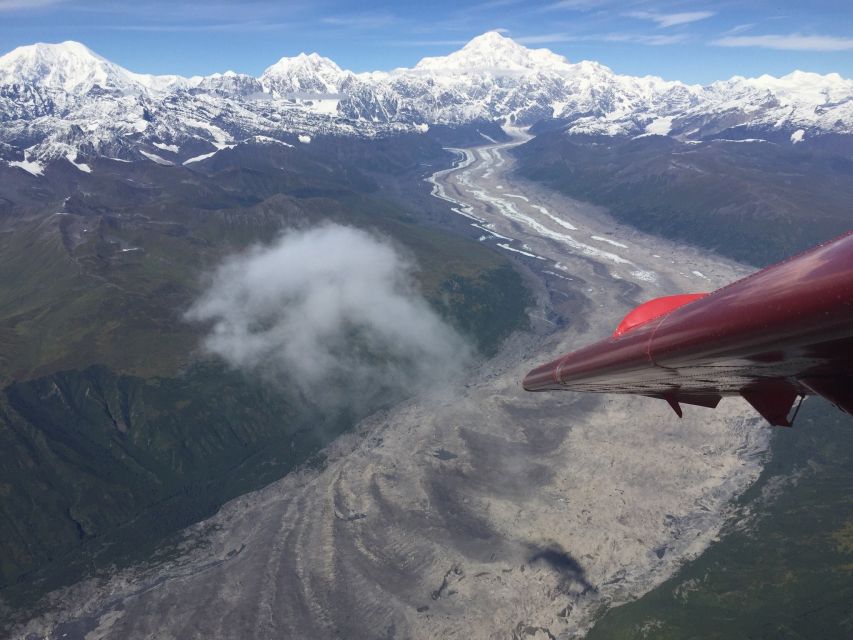
- The First Big View: Great Gorge and Ruth Glacier from the Skies
- Don Sheldon Amphitheater: A Bowl You Can Finally Understand
- Alaska Range Peaks: Snow-Capped Views That Feel Close Enough to Touch
- The Optional Glacier Landing: The Difference Between Seeing Ice and Being on It
- Small Group Comfort and Window-Seat Viewing (The Stuff That Actually Impacts Your Enjoyment)
- Price and Value: Is $303 Worth It for Denali-Grade Views?
- Who Should Book This, and Who Might Want Another Option
- Quick Booking Checklist for a Glacier Landing Day
- Should You Book This Talkeetna Air Taxi Flight?
- FAQ
- How long is the flight?
- What’s included with the flight?
- Do I need a National Park Pass for a glacier landing?
- What should I bring?
- What if weather prevents flying or landing?
- Where do I meet the tour operator?
- Are drones or pets allowed?
Key Highlights Worth Getting Excited About
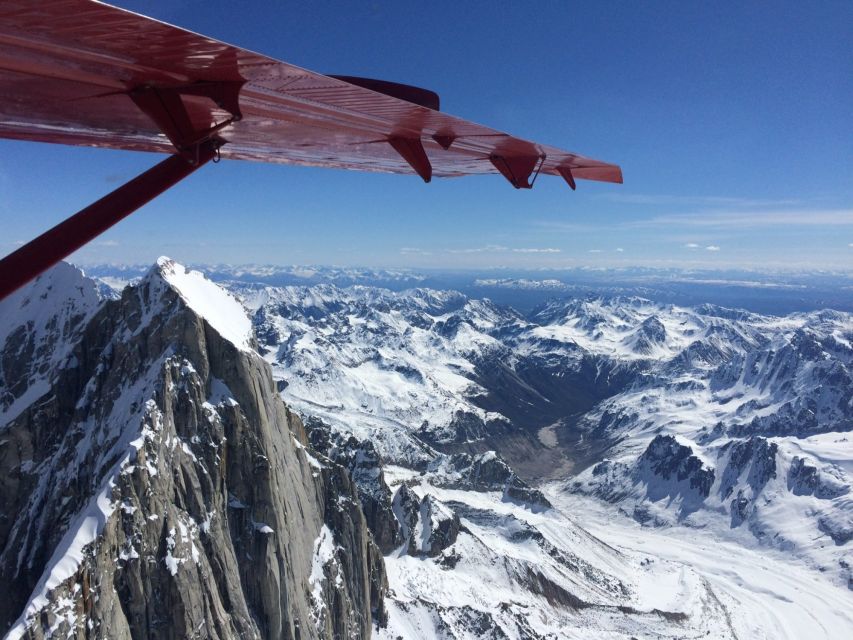
- Great Gorge + Ruth Glacier: a mile-high granite wall with about a 4,000-foot-thick river of ice
- Don Sheldon Amphitheater from above: a big, dramatic bowl you only grasp once you can see its shape
- Alaska Range snow-capped peaks: the kind of skyline that makes you forget you’re in a small airplane
- Every seat is a window seat: plus a personal headset so you can hear the narration clearly
- Optional glacier landing: a true bucket-list step off the plane and onto the ice
- Small group feel (up to 10): easier to get oriented with the crew and keep your attention on the views
Why Talkeetna’s Southside Flight Hits Harder Than You’d Expect
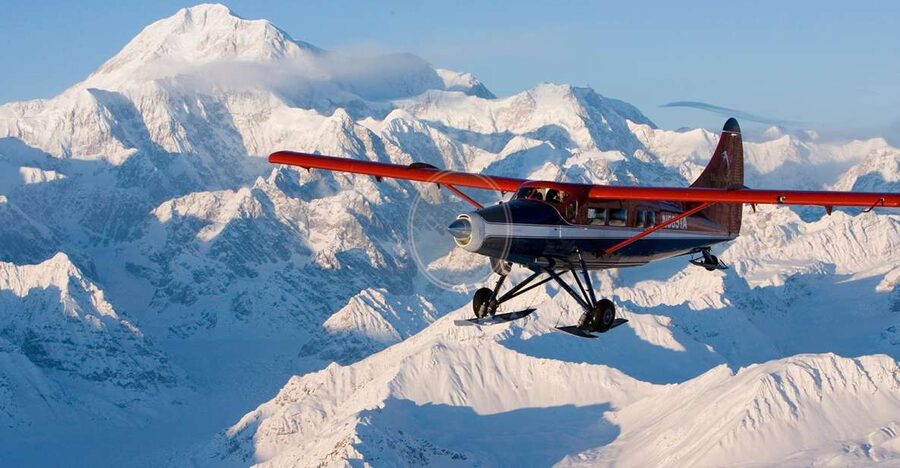
Denali is famous, but from the air it turns into something else: a big system of ice, valleys, and river cuts that look engineered by geology rather than weather. This flight focuses on the park’s south side and the routes that connect Talkeetna to the ice-and-mountain world beyond.
I like that the highlights aren’t vague. You’re not just told you’ll see glaciers. You’re pointed toward specific landmarks: the Great Gorge, the Don Sheldon Amphitheater, and the Ruth Glacier. Once you can visually place those features in relation to the surrounding peaks and valleys, Denali stops being one dot on a map and becomes a terrain you can actually picture.
The flight is short by design—about one hour, or about 90 minutes with the glacier landing—and that’s part of why it feels so effective. In Alaska, time is often traded for weather and distance. Here, you’re buying a concentrated aerial view that’s hard to replicate any other way.
Chasing Denali from Talkeetna, more flights
The Octagonal Cabin, Check-In, and the Weather Moment That Matters
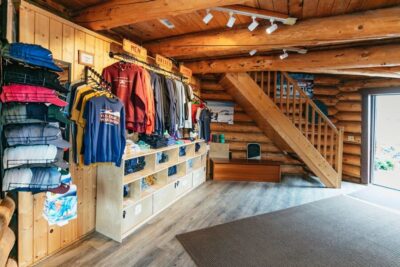
You start at Talkeetna State Airport, in a distinctive octagonal log building. Plan to arrive 45 minutes early so you can check in, get oriented, and settle in before the pilot’s call.
The most important “pre-flight” moment is the up-to-the-minute weather briefing. If you’re doing the glacier landing, this matters even more, because it’s the difference between a smooth plan and a creative alternative. Several guides in this flight format are known for staying calm and practical—one account notes staff using scouting and even showing satellite pictures before deciding what’s feasible. That approach is reassuring: it’s not a guessing game.
You also get to meet your guide/pilot before you board. The vibe is small-company, not factory-tour. If a pilot like Paul, Luke, or Michael is narrating, you’ll typically get steady explanations as you go, not just a few rapid-fire facts at the start.
One small tip: before boarding, listen carefully to the cockpit intro and try your headset right away. I’ve seen feedback that it would be great if everyone gets a quick headset check before takeoff. You can avoid that awkward moment by testing it early and confirming you’re hearing the narration.
The First Big View: Great Gorge and Ruth Glacier from the Skies
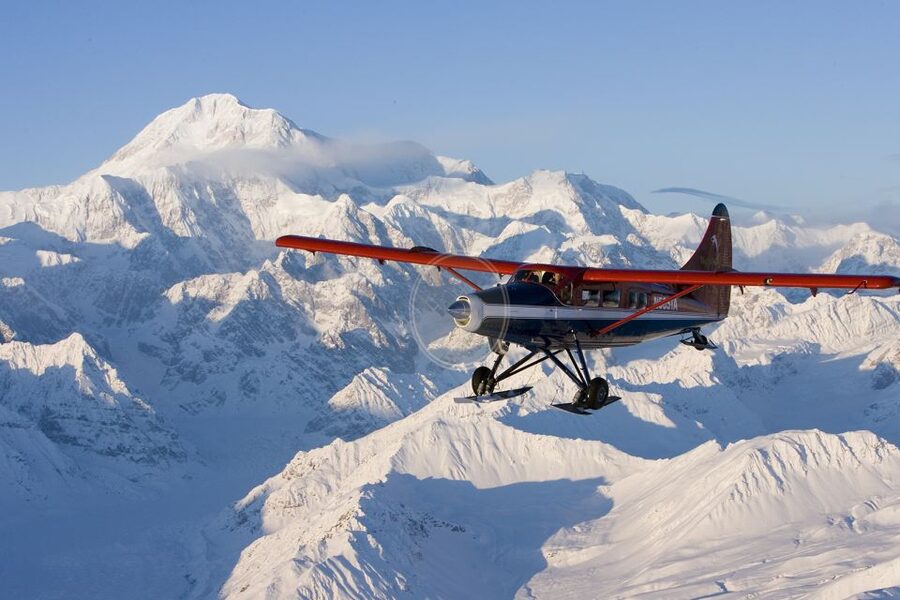
The flight route is designed around the most dramatic ice-and-rock combinations, and the first major “wow” usually comes when you’re aligned with the Great Gorge and the Ruth Glacier.
The Great Gorge is described as a mile-high granite wall with roughly a 4,000-foot-thick river of ice. In plain terms: it’s a vertical wall holding a massive moving body of ice, and from above you can see how gravity and water sculpt the whole scene. On the ground, you might see pieces. From the air, you get the whole machine.
This is also one of those places where photography makes sense. You’re looking at shapes—lines, ledges, slopes, and ice tongues—that read well in a photo even if your phone can’t capture the full scale. The headset narration helps too, because it gives you a way to name what your eyes are already impressed by.
A practical note: even if you’re on the “less direct” side of the airplane, you’re still in luck. This tour gives window seats to everyone, and pilots commonly rotate or adjust the route when they can so both sides have a chance at the best views.
Don Sheldon Amphitheater: A Bowl You Can Finally Understand
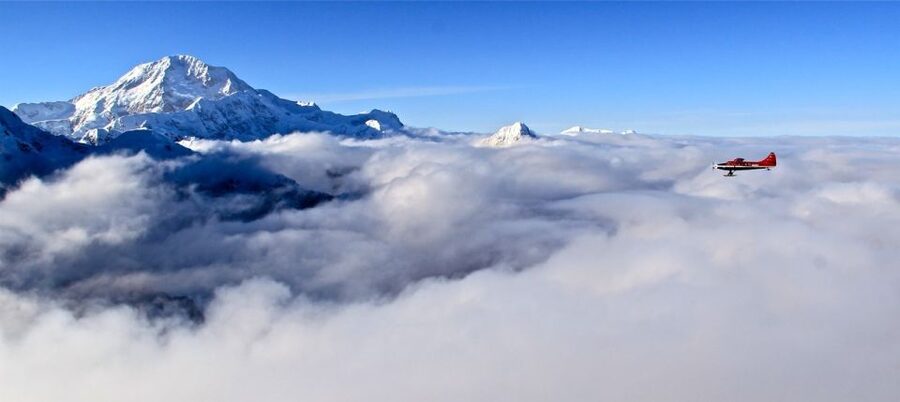
After the ice wall, you’ll be looking at one of Denali’s most sculpted-feeling features from above: the Don Sheldon Amphitheater.
From ground level, it’s easy to think of an amphitheater as just a scenic bowl. From the air, you start seeing the terrain like layers—where the snow collects, where the contours funnel down, and how the peaks frame the space. The “amphitheater” name becomes more than a label. You get the geometry.
This is where the narration earns its keep. When your guide is describing what you’re seeing in real time, you’re not just staring out the window. You’re learning how the landscape is organized. That’s also why the personal headset is a big deal. In a normal tour, you’re forced to lean around for sound. Here, you hear the explanation right where you’re looking.
If you’re someone who gets restless on tours, this is the kind of activity that keeps you engaged because the view changes continuously.
Alaska Range Peaks: Snow-Capped Views That Feel Close Enough to Touch
Then come the broader wins: the snow-capped peaks of the Alaska Range. This flight is set up so you can get a sweeping sense of the mountain architecture—ridges, saddles, and valleys that look impossibly crisp from above on clear days.
One common theme from pilots described in accounts of this flight style: they’re often playful while still being precise. You might hear a pilot’s humor (like a bit of music commentary) along with practical guidance about what part of the range you’re seeing.
And if the day is clear, you can get the kind of visibility that makes Denali feel reachable, even if you’re not on the ground. Several write-ups emphasize how quickly the clouds can shift, turning a gray start into a bright window of views. The lesson: dress ready for cold, but don’t assume the whole day is doomed just because the sky starts out that way.
The Optional Glacier Landing: The Difference Between Seeing Ice and Being on It
Here’s the real reason this tour stands out: you can add a glacier landing, turning the experience from aerial sightseeing into something physical and memorable.
The glacier landing requires a National Park Pass if you don’t already have one. The cost is $15 per person for everyone 16 and older, and it’s a 7-day pass. You must buy it before your flight (online is offered), and you’ll want to do this early so you’re not scrambling on travel day.
What the landing changes:
- You get a first-hand sense of ice scale, texture, and slope that no photo can replicate.
- Your perception shifts from flat “scenery” to a real surface with real consequences—wind, glare, cold, and footing.
- The experience becomes more than a view. It becomes a moment you’ll tell people about for years.
Logistically, they provide waterproof over boots for the landing. You still need warm clothing, closed-toe shoes, and sunglasses. One piece of practical reassurance: several accounts describe the landing as surprisingly smooth, sometimes with a calm approach that didn’t feel harsh. Still, it’s a glacier, so you should show up expecting cold and brightness, not cozy cabin comfort.
Also, be aware of the main drawback: you can’t count on it. If weather won’t allow a safe landing, you still fly. But the landing itself is weather-dependent.
In cases where weather cooperates, some landings have been described as near a Denali-area base camp on the snow plateau. Since exact placement can vary with conditions, I’d think of it as: you’re stepping onto the glacier environment in the Denali region, not just taking a quick photo stop.
Small Group Comfort and Window-Seat Viewing (The Stuff That Actually Impacts Your Enjoyment)
This is a small group operation, capped at 10 participants. That matters more than it sounds. When you’re in a plane, your comfort comes from not having to manage a crowd, not waiting on people, and being able to hear instructions clearly.
You also get:
- Personal headsets so you can hear your pilot’s narration
- Window seats for everyone, which is rare enough in Alaska to appreciate
- A single-engine, high-wing plane, built for visibility and control
One underrated benefit: your guide can often handle small requests. If you have motion sickness concerns, it’s worth asking about seating placement. One account noted that someone was allowed to sit in the front passenger seat due to motion sensitivity. I can’t promise that for every flight, but it’s an example of the hands-on, human scale of the operation.
If you like to take photos, you’ll have decent odds even if the sun shifts, because the plane’s layout and narration help you time your shots. And if cloud cover comes in, the pilot can sometimes work the route to keep views open, at least for chunks of the flight.
Price and Value: Is $303 Worth It for Denali-Grade Views?
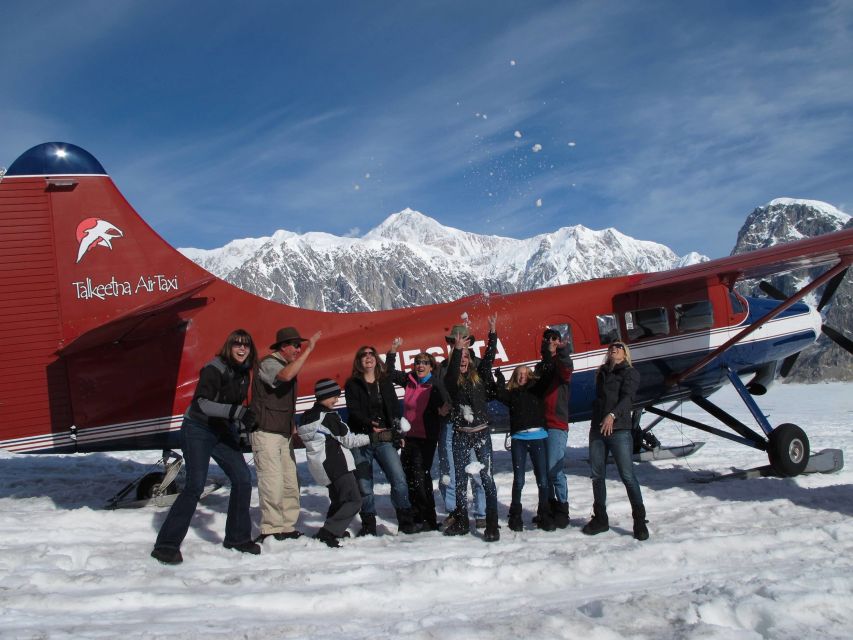
At about $303 per person for the flight duration, you’re paying for speed, proximity, and access to a view you can’t easily “DIY” in Alaska.
Here’s how I’d evaluate the value:
- If you’re using your limited trip time well, this gives you a high return on a short block—especially on days when roads, access, and weather don’t cooperate.
- You’re buying expert guidance via live narration, not just a ride.
- The window-seat + headset combination reduces the usual complaint about flights: not knowing what you’re looking at.
Add the glacier landing and the value often changes categories. A landing turns this from a great view to a full memory marker—something that feels earned. The cost is still a decision, but the experience is more layered: you see the ice system and then you’re standing where ice exists in real space.
The one reason value might feel weaker is if your weather window is poor and the landing is denied. Even then, the flight isn’t “wasted”—many accounts emphasize the experience still lands as a highlight when the plane finds open views through cloud breaks.
Who Should Book This, and Who Might Want Another Option
I’d put this tour near the top of the list if you:
- Want a Denali National Park experience without long drives
- Love glaciers and want aerial context, not just a single viewpoint
- Like guided storytelling that happens while you’re looking at the subject
- Want a small-group feel and easy logistics
You might skip it or reconsider if you:
- Need guaranteed glacier landing time. It’s weather-dependent, so build flexibility.
- Prefer walking-focused activities and long stops on the ground. This is a flight-first experience.
- Have strong concerns about flying at all. Even though accounts often describe smooth flights, it is still an airplane experience.
If you’re celebrating something—an anniversary, a milestone—the glacier landing is the kind of addition that feels personal. Even without landing, a Denali-area flight can still give you the “we really saw it” factor.
Quick Booking Checklist for a Glacier Landing Day
This is short, but it helps:
- Dress in warm layers—cold shows up fast at altitude.
- Wear closed-toe shoes. You’ll also get waterproof over boots if landing is added.
- Bring sunglasses. Snow and ice glare is real.
- Don’t plan drones or pets. Drones are not allowed, and pets aren’t allowed (assistance dogs are allowed).
- If you need the park pass for landing, buy the $15, 7-day pass for ages 16+ ahead of time.
And if you want the best chance at audio clarity, test the headset early. It’s a tiny step that can make the difference between remembering the views and remembering the explanations too.
Should You Book This Talkeetna Air Taxi Flight?
If you’re choosing between “seeing Denali from afar” and “seeing Denali as a place made of ice,” I think this flight leans toward the second option. The combination of Great Gorge, Ruth Glacier, and Don Sheldon Amphitheater, all tied together with live narration, is exactly how Alaska rewards people who pay attention.
Book it if you can handle weather uncertainty and you want big views in a short window. The optional glacier landing is the main flex—when it works, it’s a story you’ll repeat forever. Even when it doesn’t, the flight still tends to deliver standout scenery, especially when the skies clear enough for the pilot to line up the best routes.
In other words: if you want a high-impact Denali moment and you’re willing to dress for cold, this is a very strong yes.
FAQ
How long is the flight?
The experience is about 1 hour. If you add the glacier landing, it becomes about 1 hour and 30 minutes.
What’s included with the flight?
Each passenger gets a window seat, a personal headset to hear the pilot’s narration, and courtesy pickup/drop-off within a 2 mile radius of the Talkeetna Air Taxi office/downtown Talkeetna.
Do I need a National Park Pass for a glacier landing?
Yes. If you choose the glacier landing, you need a 7-day National Park Pass purchased prior to your flight. The cost is $15 for everyone 16 and older.
What should I bring?
Bring warm clothing, sunglasses, and closed-toe shoes. If you’re doing the glacier landing, you’ll be provided waterproof over boots.
What if weather prevents flying or landing?
All flights and glacier landings are weather dependent. If they cannot fly due to weather conditions, you receive a full refund. They can also reschedule you at no cost if your plans allow.
Where do I meet the tour operator?
Meet at the Talkeetna Air Taxi location in the octagonal log building at Talkeetna State Airport. Arrive 45 minutes prior to departure.
Are drones or pets allowed?
Drones are not allowed. Pets are not allowed, though assistance dogs are allowed.
More Tour Reviews in Talkeetna
- Talkeetna: Grand Denali Flight with Optional Glacier Landing★ 4.9 · 149 reviews
- Talkeetna: Guided Tour of Denali National Park By Air★ 4.9 · 80 reviews
- Talkeetna: Mountain Voyager with Optional Glacier Landing★ 4.9 · 73 reviews
- Talkeetna: Denali Flight Tour with Glacier Landing★ 4.8 · 68 reviews
Denali From the Air
- Talkeetna: Grand Denali Flight with Optional Glacier Landing★ 4.9 · 149 reviews
- Talkeetna: Guided Tour of Denali National Park By Air★ 4.9 · 80 reviews
- Talkeetna: Mountain Voyager with Optional Glacier Landing★ 4.9 · 73 reviews
- Talkeetna: Denali Flight Tour with Glacier Landing★ 4.8 · 68 reviews
Fresh Off the Ice: New Anchorage Reviews
- Talkeetna Lakes Park: Sit-On-Top Kayak Tour
★ 4.5 · 4 reviews - Talkeetna: Denali Zipline Tours
★ 4.9 · 13 reviews - Denali State Park: Guided Byers Lake Kayaking Tour
★ 5.0 · 15 reviews - Talkeetna: Denali Flight Tour with Glacier Landing
★ 4.8 · 68 reviews - Talkeetna: Mountain Voyager with Optional Glacier Landing
★ 4.9 · 73 reviews - Talkeetna: Guided Tour of Denali National Park By Air
★ 4.9 · 80 reviews
Denali Flightseeing & Talkeetna Tours, compared.
 ★ 4.9Talkeetna: Guided Tour of Denali National Park By AirFrom $33580 reviews
 ★ 4.9Talkeetna: Mountain Voyager with Optional Glacier LandingFrom $52473 reviews
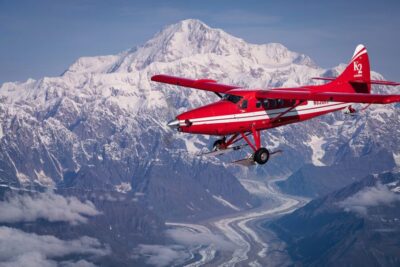 ★ 4.8Talkeetna: Denali Flight Tour with Glacier LandingFrom $54368 reviews
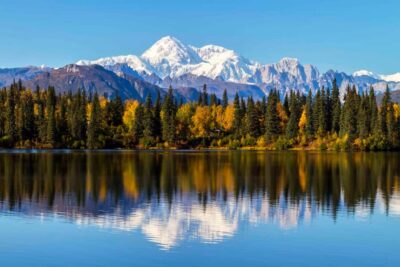 ★ 5.0Denali State Park: Guided Byers Lake Kayaking TourFrom $11915 reviews
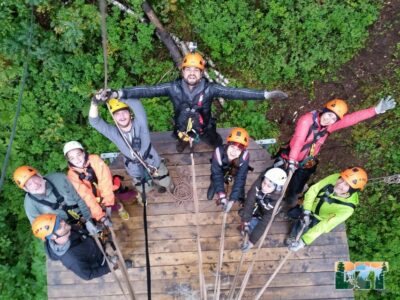 ★ 4.9Talkeetna: Denali Zipline ToursFrom $16813 reviews
 ★ 5.0Kenai Fjords & Denali National Park 5 Day 4 Night TourFrom $2,5999 reviews
 ★ 4.5Talkeetna Lakes Park: Sit-On-Top Kayak TourFrom $1094 reviews
Browse the lists this tour appears in