
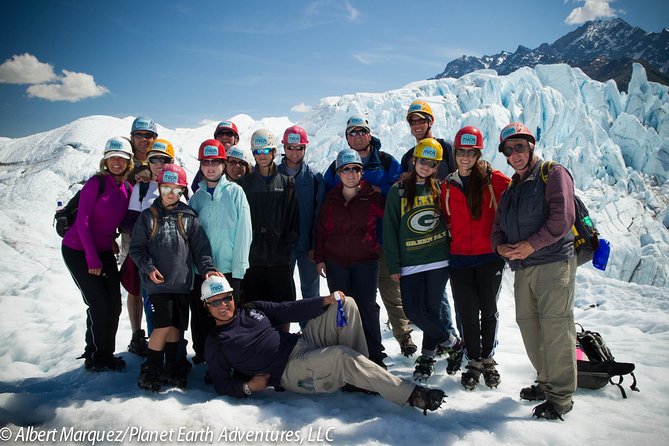
Reviewed · CHUGACH & KENAI NATURE HIKES
Matanuska Glacier Ice Fall Trek
Matanuska Glacier is the real deal, not a viewpoint day. This 7-hour Anchorage tour gets you onto the ice with a guide who helps you read what you’re seeing, from crevasses to serac-style ice features. The route changes with conditions and group ability, so it stays practical and safe.
I love two things most: the close-up glacier features you can actually stand near, and the way the guide instructions turn photos into understanding. And if you get a guide like Morgan, Arthur, or Albert (names I’ve seen on past groups), you’ll likely appreciate the teaching tone as much as the scenery.
One consideration: this is a cold, slippery walk. You’ll need moderate fitness and you should dress for early-morning glacier conditions, especially since there’s no lunch stop during the trek.
In This Review
- Key points to know before you go
- Anchorage mornings start early, and that matters
- Getting onto the ice: what the glacier trek really looks like
- Crevasses, seracs, and blue ice: why close-up beats viewpoints
- How the guide instruction keeps it safe and satisfying
- Gear that’s included: what you don’t have to worry about
- The no-lunch reality: plan your fuel before you start
- Weather rules: what happens when conditions are rough
- Duration and pacing: what “7 hours” usually means in practice
- Price at $299: does it feel fair for what you get?
- Who this tour is best for (and who should skip it)
- Practical details you’ll want to remember
- Should you book the Matanuska Glacier Ice Fall Trek?
- FAQ
- How long is the Matanuska Glacier Ice Fall Trek tour?
- What time does the tour start in Anchorage?
- Where is the meeting point?
- Is hotel pickup and drop-off included?
- What equipment is provided for walking on the glacier?
- Are snacks or meals included?
- What is the minimum age to join?
- Does the tour run in most weather conditions?
- How many people are in the group?
- What happens if I cancel close to the start time?
Key points to know before you go
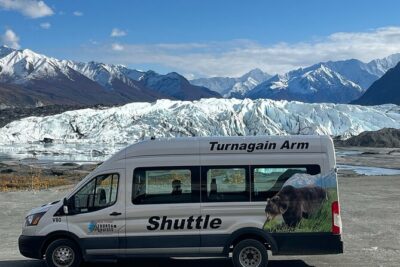
- Hotel pickup and drop-off in Anchorage keeps the morning simple, plus airport drop-off at the end
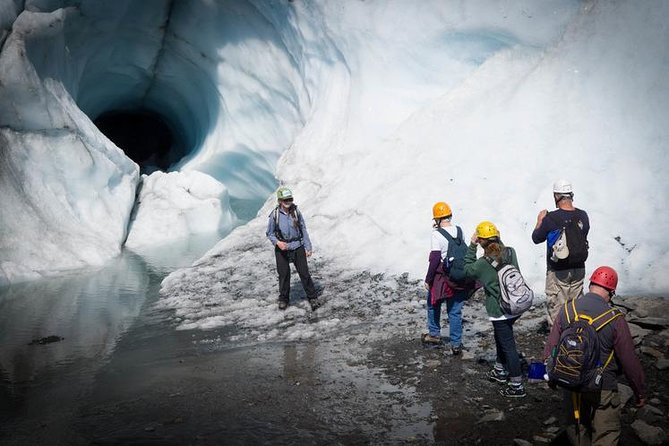
- Crampons and a helmet are included, so you’re not stuck renting gear last minute
- A 3-hour glacier trek focuses on real ice features like crevasses and blue ice
- Route changes daily based on weather and the group’s abilities, not a fixed checklist
- Small group size (max 11) makes instructions and pacing easier to manage
Anchorage mornings start early, and that matters
This is a morning tour that starts at 7:00 am. You meet at William A. Egan Civic & Convention Center, 555 W 5th Ave, Anchorage, AK 99501. For a glacier day, that early start is a gift: cooler temperatures and calmer travel help the plan run smoother.
Pickup and drop-off are part of the deal. That means less juggling of cars and fewer moving pieces. You’ll also get equipment supplied for the ice trek, so you’re mostly showing up with the right clothes and your curiosity.
The day is listed as about 7 hours total, which usually includes transport, check-in, and the trek itself. If you’re trying to fit Alaska into a tight schedule, this timing is one of the practical wins.
More boots-on-ice days at the Matanuska
Getting onto the ice: what the glacier trek really looks like
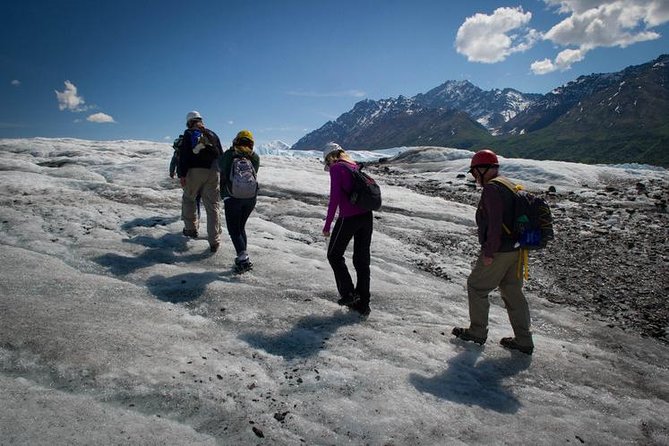
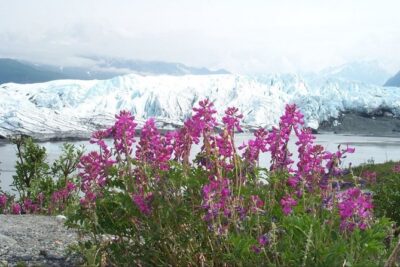
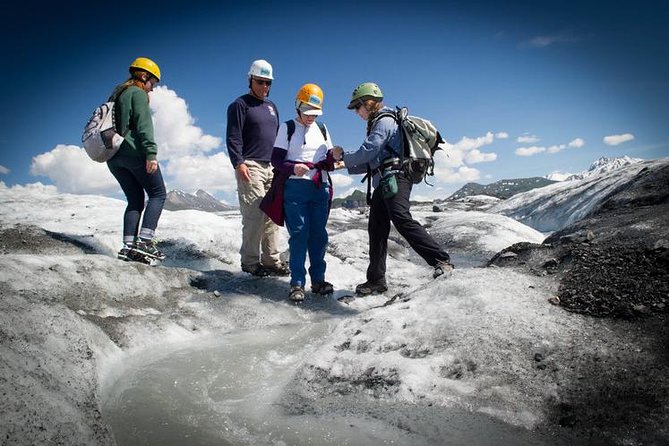
The heart of the experience is the 3-hour walk on Matanuska Glacier. You strap on crampons and follow your guide over the ice, where the glacier features aren’t theoretical. You’re walking near things like crevasses, ice formations, and areas that can look like piled blocks and towers.
Here’s the key reality: the glacier is constantly changing. That’s why the route depends on conditions that day and on how your group is doing. Translation for you: don’t expect the exact same path every time. You’re there to experience the glacier’s current shape, not to walk a museum exhibit.
This is also the moment where your photos become more meaningful. Your guide provides instruction as you hike, helping you understand how glaciers form and why those striking blue areas and broken lines happen. If you’ve ever stared at glacier pictures and wondered what you’re actually looking at, this is the tour that gives you a way to read it.
Crevasses, seracs, and blue ice: why close-up beats viewpoints
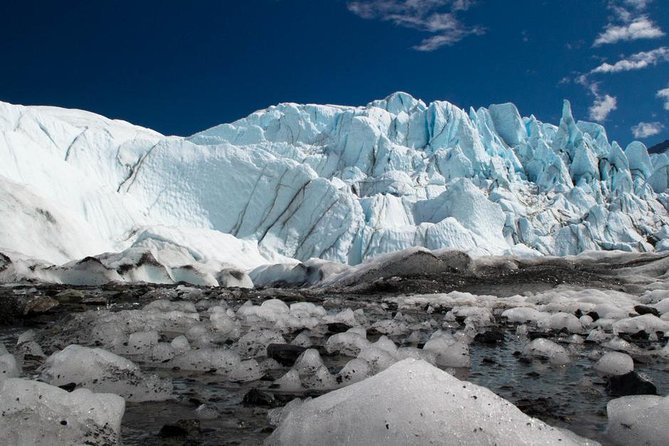
Glaciers can look like one big block from far away. On this trek, you get close enough for the details to matter. You’ll see features like crevasses (the deep cracks), serac-style ice formations (ice that breaks into jagged blocks), and other ice textures that make the glacier look like it has its own weather system.
The tour is designed for learning at walking speed. You’re not speed-walking past the good parts; you’re guided to stop, look, and understand. That makes the experience feel hands-on rather than passive.
And the lighting helps too. Sunrise timing can give you clean contrast on ice, which is great for photos. Even if the day is cloudy, the ice structure still reads well because your guide is directing your attention to the right shapes.
How the guide instruction keeps it safe and satisfying
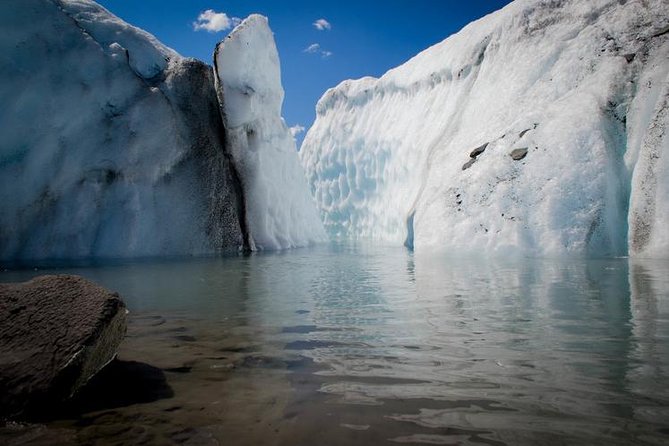
A glacier trek is not just about bravery. It’s about correct movement on uneven ice, plus understanding what can change as conditions shift. That’s why the guide-led component matters as much as the glacier itself.
You’ll get professional guidance throughout the trek. The group size is kept small, with a maximum of 11 travelers, which generally helps with communication and pacing. When everyone’s spread out, it’s easier to keep the group together and respond quickly if footing or visibility changes.
From past groups, I’ve seen that different guides (including Morgan, Arthur, and Albert) have a strong teaching focus—part explanation, part practical coaching. You should expect your guide to talk you through what you’re seeing and how to move efficiently, not just point and rush.
Gear that’s included: what you don’t have to worry about
One reason this tour feels good value is that the basics are included. You get crampons for walking on ice and a helmet for head protection. You’ll also receive light snacks and bottled water, which helps you stay comfortable during the trek (especially since there’s no lunch stop).
There’s also a trekking pole option. If you like using poles for stability on uneven ground, this can help your confidence. Even with crampons, poles can make the walking feel more controlled.
What you should plan for yourself: clothing for cold conditions. The tour notes it operates in most weather conditions, but you still need to dress appropriately. A glacier morning can be colder than you expect, and the wind can add bite. Wear layers you can manage, and bring gloves and warm head protection even if the city air feels mild.
Back on the Chugach trails, more walks
The no-lunch reality: plan your fuel before you start
This is not a sit-down lunch tour. There are light snacks and bottled water included, but the day description specifically says the tour does not stop for lunch. That affects how you should plan your energy.
My practical tip: eat a proper breakfast before pickup, and don’t go in only on coffee. The tour runs early, and you’re on ice for about three hours. With the included snacks, you’ll likely be fine, but your best chance for a relaxed trek is to start fed.
Also, hydration matters on cold days. Even if you don’t feel sweaty, you can still get dry. The included water helps, but it’s smart to bring a mindset of steady intake rather than waiting until you feel thirsty.
Weather rules: what happens when conditions are rough
Glacier tours depend on conditions. This one is listed as operating in most weather conditions, but it also states it requires good weather. If it’s canceled due to poor weather, you’ll get a choice: an alternative date or a full refund.
What I like about this setup is that it’s not pretending you’ll always go out no matter what. Cold and visibility can change safety and route options. If the day looks questionable, it’s worth being flexible with your schedule.
If you’re deciding what else to book around this, consider keeping the rest of your day lighter. Early morning means a change can ripple through your plans, especially if you’re switching to another date.
Duration and pacing: what “7 hours” usually means in practice
You’re on the clock for about 7 hours total, with 3 hours of that spent trekking on the glacier. The remaining time is typically the transportation and any coordination around the start.
That pacing strikes a balance. You’re getting a real walk and real glacier time, not just a short taste. At the same time, it’s still a single-day plan that fits well for people staying in Anchorage.
The trek is described as having route flexibility based on conditions and abilities of your group. That’s a good sign for most visitors. It means the experience can adjust without turning into a one-speed-only hike.
Price at $299: does it feel fair for what you get?
At $299 per person, it’s not the cheapest excursion, but it’s also not just a scenic bus ride. You’re paying for several bundled components:
- Hotel pickup and drop-off (with airport drop-off at the end)
- A professional guide
- Crampons and helmet provided
- Light snacks and bottled water
- Time on the glacier—3 hours trekking—with instruction
So the value angle is pretty clear. You’re getting guided access to terrain that requires safety gear and active coaching. If you tried to DIY this, you’d likely spend time and money assembling equipment, finding reliable glacier operations, and taking on risk you don’t need.
For your budget, the big “yes” is that you’re not paying extra for the core glacier equipment. The “watch-out” is the no-lunch setup, because you’ll want breakfast and some sort of plan for food after the tour.
Who this tour is best for (and who should skip it)
This experience is a good fit if you want to do more than look at a glacier. You’ll like it if you enjoy walking with purpose, learning as you go, and photographing ice features up close.
It also fits visitors with moderate physical fitness. You’re trekking on ice, using crampons, and the tour is described as requiring enough stamina for a glacier walk. If you’re new to hiking or you avoid slippery terrain, this might feel challenging.
There’s also a family guideline: the minimum age is 10. Children under 10 can’t be carried in arms, backpacks, or strollers, and there’s an option to book a private trek for younger kids, with a minimum age of 8. If that applies to your group, you’ll want to contact the operator for the private option.
Finally, small groups help. With a maximum of 11 travelers, you’ll likely get better attention than on a big crowd day.
Practical details you’ll want to remember
This tour uses a mobile ticket, so make sure your phone battery is reliable. Confirmation is received at booking time, which helps you feel set for the morning.
The meeting point is clear and central at the convention center in downtown Anchorage, which makes logistics easier than random pick-up points.
And one more practical thing: bring warm clothing and plan for wind. Weather can shift quickly in Alaska, even when it’s not canceling the tour.
Should you book the Matanuska Glacier Ice Fall Trek?
I think you should book if you want a guided glacier experience that blends real ice proximity with instruction. The combination of a small group, included safety gear (crampons and helmet), and a focused 3-hour trek makes it a strong choice for first-time glacier hikers in Alaska.
Skip or reconsider if you’re not comfortable with cold, uneven terrain, or if you’d hate missing a lunch stop. Also, if you’re traveling with very young kids, check the private trek option because the standard minimum is 10.
If you’re on the fence, pick this one when you have a free morning and you can dress for the elements. It’s the kind of day that turns a glacier from a photo subject into a place you understand.
FAQ
How long is the Matanuska Glacier Ice Fall Trek tour?
The tour runs about 7 hours in total, and the glacier trekking time is about 3 hours.
What time does the tour start in Anchorage?
The start time is 7:00 am, with the tour beginning at the William A. Egan Civic & Convention Center.
Where is the meeting point?
You meet at William A. Egan Civic & Convention Center, 555 W 5th Ave, Anchorage, AK 99501, USA.
Is hotel pickup and drop-off included?
Yes. Hotel pickup and drop-off are included, and airport drop-off is also available at the end of the tour.
What equipment is provided for walking on the glacier?
You’ll receive crampons and a helmet. A trekking pole is optional.
Are snacks or meals included?
Light snacks and bottled water are included. The tour does not stop for lunch.
What is the minimum age to join?
The minimum age is 10 years old. For younger children, you can book a private trek with a minimum age of 8.
Does the tour run in most weather conditions?
It operates in most weather conditions, but it requires good weather. If canceled due to poor weather, you can choose an alternative date or get a full refund.
How many people are in the group?
The tour has a maximum of 11 travelers.
What happens if I cancel close to the start time?
The policy allows free cancellation up to 24 hours in advance for a full refund. The activity info also notes no refunds under 72 hours, so cancellations close to departure are strict.
More Tour Reviews in Anchorage
- Anchorage Trolley Tour★ 4.5 · 2,607 reviews
- Wildlife and Glaciers with a walk in the Rainforest★ 4.5 · 719 reviews
- Dog Sledding Adventure in Willow, Alaska★ 5.0 · 398 reviews
- Grand Knik Helicopter Tour – 2 hours 3 landings – ANCHORAGE AREA★ 5.0 · 374 reviews
Into the Chugach on Foot
- Wildlife and Glaciers with a walk in the Rainforest★ 4.5 · 719 reviews
- Full-Day Matanuska Glacier Hike And Tour★ 5.0 · 216 reviews
- Hike Matanuska Glacier w/Alaska Local Honey, Wine Tasting★ 5.0 · 89 reviews
- All Day Matanuska Glacier Hike from Anchorage★ 5.0 · 66 reviews
Boots on the Matanuska
- Full-Day Matanuska Glacier Hike And Tour★ 5.0 · 216 reviews
- Hike Matanuska Glacier w/Alaska Local Honey, Wine Tasting★ 5.0 · 89 reviews
- All Day Matanuska Glacier Hike from Anchorage★ 5.0 · 66 reviews
- Matanuska Glacier Summer Tour★ 5.0 · 64 reviews
Fresh Off the Ice: New Anchorage Reviews
- Northern Lights UTV Tour with Roundtrip Transportation
★ 5.0 · 3 reviews - Knik River Lazy River Float Trip
★ 5.0 · 3 reviews - From Anchorage: Chugach State Park Walk with Naturalist
★ 5.0 · 3 reviews - Anchorage: Scenic Tour to Wildlife Center with hotel pickup
★ 5.0 · 3 reviews - Anchorage Brews Tour
★ 5.0 · 3 reviews - Full Day Guided Kayak Tour on Knik River
★ 5.0 · 3 reviews
Chugach & Kenai Nature Hikes, compared.
 ★ 5.0Exit Glacier Ice Hiking Adventure from SewardFrom $342161 reviews
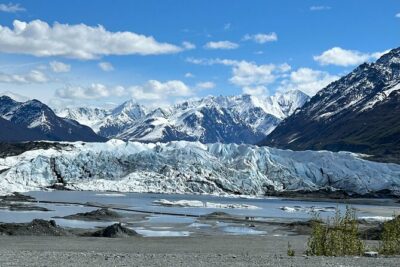 ★ 5.0Hike Matanuska Glacier w/Alaska Local Honey, Wine TastingFrom $31089 reviews
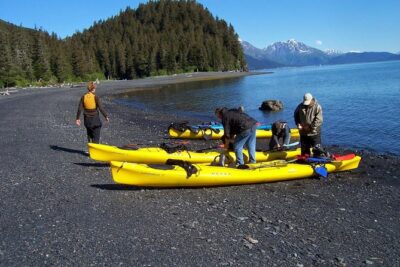 ★ 5.0Kayak and Hike to Historic WW2 Army Fort in Alaska!88 reviews
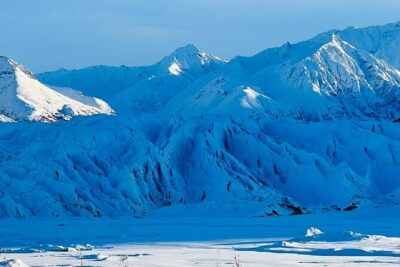 ★ 5.0All Day Matanuska Glacier Hike from AnchorageFrom $32966 reviews
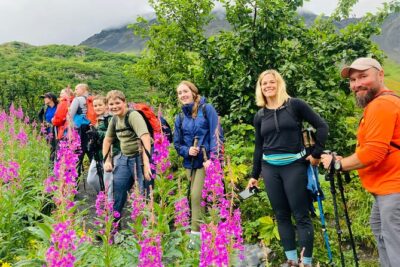 ★ 5.0Seward Wilderness HikingFrom $34255 reviews
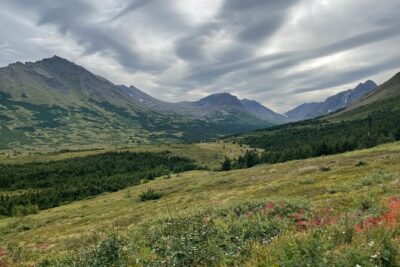 ★ 5.0Chugach State Park Nature WalkFrom $12949 reviews
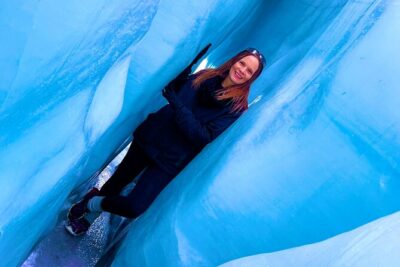 ★ 5.0Winter/Summer Matanuska Glacier Hiking AdventureFrom $34739 reviews
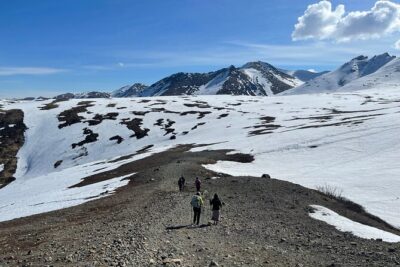 ★ 5.0Alpine Classic TrekFrom $17932 reviews
Browse the lists this tour appears in