

Reviewed · ANCHORAGE
Alaska Bear Viewing Adventure from Seward
Seward goes from town to river fast. This Kenai River packraft day mixes real instruction on Kenai Lake with a guided run through a scenic 7-mile stretch that’s mostly Class I–II, turning into Class II+ when water levels feel spicy. I especially like the way the guide stays close at all times, and how the included lunch keeps you fueled instead of hunting food in Alaska timing chaos. The one consideration: you’ll get wet, and the river’s difficulty can nudge upward depending on conditions.
You’ll start early, do 1–2 hours of packraft practice, then paddle your way downstream while your guide reads the water and helps you with moves before you roll into the rapids. The day’s pace is active but well-supported, and the small group size (up to 5) helps everyone get attention.
In This Review
- Key things I’d pay attention to before you go
- From Seward Pickups to Kenai Lake Packraft Training
- Packraft Skills and Safety: Class I–II+ Still Needs Respect
- Kenai Lake to the Shoreside Lunch: Fuel and Reset Time
- The Kenai River Run: 7 Miles of Scenery, Rapids, and Wildlife
- What Gear You Get (and How to Dress for a Wet Day)
- Price and Logistics: Is $1,471.50 Worth It?
- Who Should Book This Kenai River Packraft Adventure
- Should You Book This Tour from Seward?
- FAQ
- How long is the tour?
- What time does the tour start?
- Is pickup and drop-off included from Seward?
- What’s included for food?
- Do I need to bring my own packraft or gear?
- How difficult is the Kenai River section?
- Is the experience refundable if plans change?
Key things I’d pay attention to before you go
- Hands-on training first: 1–2 hours on Kenai Lake so you’re not guessing when the river starts moving.
- Guide close by: your instructor is near at all times to help with safety and technique.
- 7-mile Kenai River stretch: mostly Class I–II, with II+ possible depending on water levels.
- Shore lunch is included: deli-style turkey wrap, granola bar, and fruit, with dietary options available.
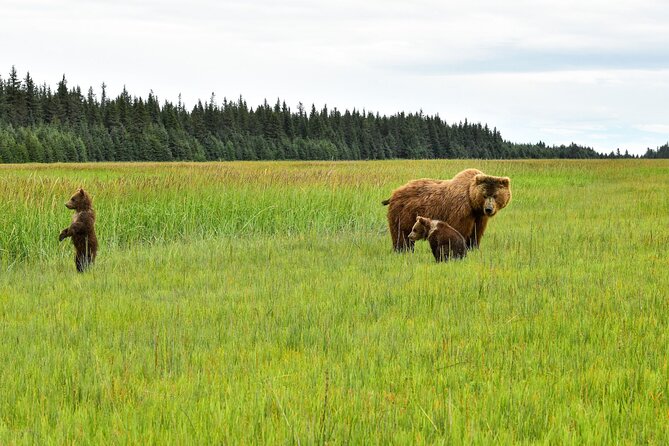
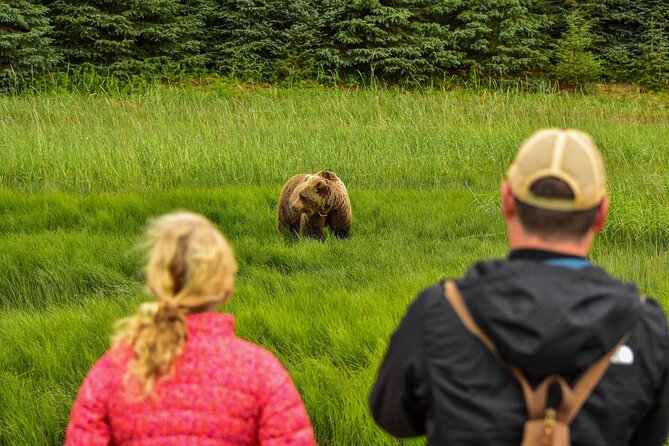
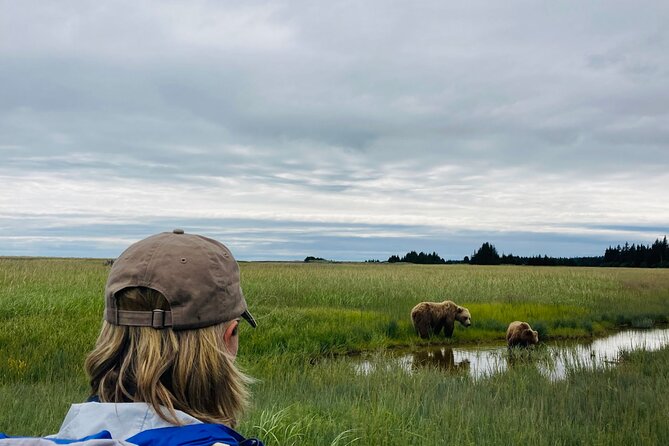
- Wildlife and photo stops: you may have strong wildlife sightings and chances to pull over for pictures.
- Most people can participate: the format is built around skill-building, not just fitness.
From Seward Pickups to Kenai Lake Packraft Training
Start time is 7:00 am, with pickup offered so you’re not juggling car rentals. The day begins in Seward, then you ride to the Kenai headwaters area, where everything starts with the water itself. This is one of the parts I like most: you’re not thrown into gear-up-and-go. You’re set up.
On the edge of Kenai Lake, your guide shows you how to inflate the packraft and covers paddling basics and boating safety. Then you get your practice window: roughly 1–2 hours on the lake to get comfortable. That training time matters because a packraft is not exactly like a kayak. It feels different in turns and in how it sits in current. If you’re new, this is your chance to learn the language of the raft before you start talking to the river.
The small-group size (up to 5 people) also changes the vibe. You’re more likely to get direct feedback instead of watching someone else’s technique while waiting your turn.
Still deciding? See how it stacks up against a few Anchorage regulars.
Packraft Skills and Safety: Class I–II+ Still Needs Respect
The Kenai River section you’ll run is mostly Class I–II, with the possibility of Class II+ based on water levels. That’s the key phrase: depends on the day. I like that the tour doesn’t pretend there’s zero challenge. You’ll feel the river get faster and you’ll have to respond, but it’s still set up for confidence-building, not survival.
Your guide is nearby at all times. That support is huge if you’re the type who gets nervous once water starts moving faster. You’ll usually learn how to maneuver through rapids step by step, and there may be time to practice advanced maneuvers and re-run a few rapid sections if the schedule allows. Translation: you get repetition, not just one pass and done.
This is also where guide talent shows up. In prior days, guides like Brandon have been praised for teaching in a way that made a rainy, wet day feel like an actual adventure instead of a misery test. Kyle, too, has been noted for giving specific pointers before hitting each rapid, which helps your brain stay ahead of your hands. And if you’re an anxious beginner, Todd has been credited for supporting someone who dealt with both anxiety and disabilities so they could try packrafting confidently. That doesn’t mean every guide has the same style, but it does suggest they take instruction seriously.
If you’ve canoed, kayaked, or rafted before, you’ll probably feel at home quickly. If you haven’t, the lake practice and the guide’s constant presence are what keep it from turning into a guessing game.
Kenai Lake to the Shoreside Lunch: Fuel and Reset Time
Once the lake training wraps, you break for a shoreside lunch. Food is included, and it’s not a token snack. The lunch is listed as deli-style turkey wrap, plus a granola bar and a piece of fruit. Dietary options are available, so if you have needs, you’ll want to flag them ahead of time.
This lunch stop does two practical things. First, it gives you calories before the river work. Packrafting can be more tiring than it looks, especially if you’re concentrating hard while adjusting to the raft’s feel. Second, it’s a mental reset. Your shoulders and core wake up on the water, and a short reset helps you stay relaxed when the rapids start asking for attention.
There’s also a safety rhythm to it. After you eat, you get a little more instruction before starting the downstream segment. That order makes sense: learn, practice, fuel, then commit.
The Kenai River Run: 7 Miles of Scenery, Rapids, and Wildlife
After lunch, you’ll head into the main action: a 7-mile stretch down the Kenai River. It starts smooth and then turns quicker, which is exactly what you want for a first big river day. If you’re expecting the river to be constant whitewater, you’ll likely be pleasantly surprised by the mix—paddling time, then bursts of excitement, then more paddling time.
Most of the trip is Class I–II, to II+ depending on conditions. In plain English, Class I–II is where you learn how the river moves around obstacles and how your paddle placement affects where you go. Class II+ is the moment you’ll want to stay attentive and follow guidance. You’ll likely practice maneuvers and may re-run some rapid sections for better control.
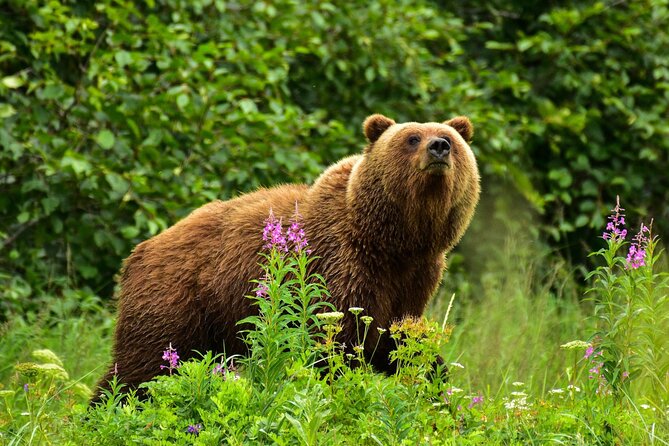
This is also where the day can get very Alaska. The tour description points to tremendous wildlife sightings and lots of opportunities to pull over for photos. The river isn’t just moving water; it’s a working corridor where you might spot fishermen and salmon activity too. In one prior packrafting day on the Kenai, the group floated past fishermen looking to snag salmon—one of those moments that makes you feel like you’re seeing the real rhythm of the place, not just a scenic postcard.
When you’re on the water, remember the big trick: don’t fight the river like it’s your enemy. You read it, you angle your raft, you adjust. With the guide nearby, you’re learning that instead of white-knuckling it.
At the end, you’ll finish with a scenic float to the take-out. Then there’s a celebratory send-off—hoot-and-holler energy, high-fives, and the kind of end-of-day feeling that makes you forget the dampness on your sleeves.
What Gear You Get (and How to Dress for a Wet Day)
You use a provided packraft and drybag and you’re given gear as part of the tour setup. That’s good value because it removes the equipment guessing game. You shouldn’t have to source or rent the core items before you arrive.
Boots are also addressed: rubber boots or hip boots are provided, but it notes they’re not needed for all areas. That means the tour expects you’ll move between water and shore. So plan for wet feet at least at some point.
What should you wear? The honest answer: expect damp. Packrafting turns clothing into a wet-weather system. Even when the day is calm, you may get spray. In a rainy-day experience with Brandon, being wet was described as totally fine—because the river and the guide made it part of the fun. You’ll enjoy this more if you dress like the day might deliver rain or splash, even if the forecast looks decent.
Practical approach:
- Bring quick-dry layers you’re okay getting soaked.
- Expect your hands and feet to feel the day, not just your legs.
- Keep an eye on how you’ll get back to warmth after the take-out and ride back to Seward.
Price and Logistics: Is $1,471.50 Worth It?
At $1,471.50 per person, this is not a casual add-on. So the real question is value: what do you get for that price?
You’re paying for:
- Early pickup and return drop-off with ground transportation from Seward to the Kenai area.
- Up-front training on Kenai Lake (1–2 hours) so you can actually paddle with confidence.
- A guide on hand at all times during the river run.
- Use of provided packraft and drybag, plus tour gear.
- An included shoreside lunch.
- A small group format (up to 5), which tends to mean more instructor attention.
That bundle is hard to replicate DIY, especially if you’re not already packrafting and don’t want to gamble on safety and instruction. For many people, the guide support is the biggest difference between a great day and a stressful one.
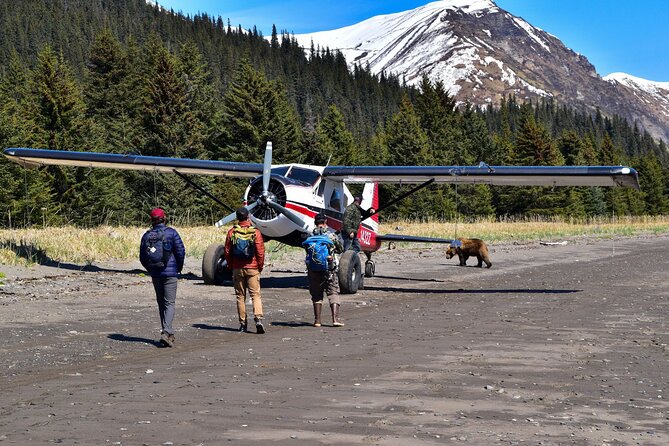
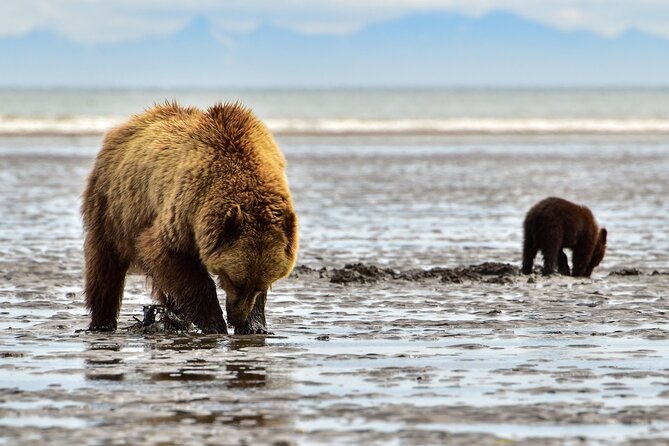
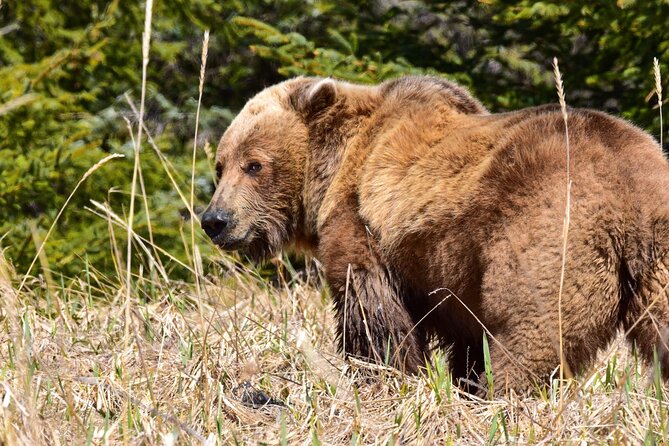
One note: the tour’s included-items list also mentions things like professional pilot & bear guide, plus round-trip bush flights and interpretive guided hiking on a small group tour, with flights departing from Kenai. The main written flow you’ll experience here is the Kenai River packrafting day, but because those extra elements are listed as included, I’d treat your confirmation details as the authority for exactly what’s in your version of the adventure.
Also plan for gratuity for your guide. And since the experience is non-refundable and can’t be changed once booked, it’s smart to be certain about dates before you commit.
Who Should Book This Kenai River Packraft Adventure
This is built for people who want a guided way to try packrafting, not just people who already have the skills. The tour description says most people can participate, and the structure supports that: practice on the lake, then a guided downstream run.
It’s a strong fit if:
- You want to learn packraft basics in a real river setting.
- You like being taught before you’re tested.
- You want active scenery, wildlife potential, and rapids that scale with conditions.
- You’d rather pay for logistics (pickup, gear, instruction) than manage a DIY plan.
It might be a less ideal fit if:
- You’re extremely sensitive to getting wet, even if you can handle cold and damp.
- You want a leisurely, no-work paddle only. This is paddling plus attention, especially as the river speeds up.
- You dislike price uncertainty. Since water conditions affect the Class II+ possibility, the day can feel more intense than a flat-water cruise.
If you’re worried about anxiety, note that Todd has been credited with helping someone challenge themselves despite anxiety and disabilities. That suggests the coaching style can matter, but you should still consider your comfort level and plan to rely on guide instruction.
Should You Book This Tour from Seward?
I’d book this if you want a structured, safe way to get on the Kenai River in a packraft, with strong instruction before the rapids show up. The included lunch, provided gear, and small-group feel make the day feel managed, not chaotic. And if you’re excited about wildlife sightings and Alaska river life beyond just the paddling, this format gives you room for it.
I’d think twice if the price feels steep relative to what you need, or if you’re not comfortable with a damp, active day and the possibility of conditions making the river a touch more challenging. If you’re price-sensitive, it’s worth comparing alternatives that offer similar instruction and support.
FAQ
How long is the tour?
The duration is listed as approximately 12 hours.
What time does the tour start?
The start time is 7:00 am.
Is pickup and drop-off included from Seward?
Yes. Complimentary round-trip transportation from Seward is offered, and you’re dropped back off after the tour.
What’s included for food?
A deli-style lunch is included: turkey wrap, granola bar, and fruit. Dietary options are available.
Do I need to bring my own packraft or gear?
No. You use a provided packraft and drybag, along with other tour-provided gear.
How difficult is the Kenai River section?
The river is mostly Class I–II, with Class II+ possible depending on water levels.
Is the experience refundable if plans change?
No. It is non-refundable and cannot be changed for any reason.
More Tour Reviews in Seward
- Kenai Fjords and Resurrection Bay Half-Day Wildlife Cruise★ 5.0 · 1,156 reviews
- Kenai Fjords National Park Glacier & Wildlife Tour from Seward★ 4.5 · 1,036 reviews
- Seward: Kenai Fjords National Park Catamaran Cruise w/Lunch★ 4.8 · 736 reviews
- Wilderness Dog Sled Ride and Tour in Seward★ 5.0 · 405 reviews
Fresh Off the Ice: New Anchorage Reviews
- Snowmobile and Snowshoe Dual Adventure in Kenai Fjords NP
★ 5.0 · 3 reviews - Mount Marathon Bowl / Race Summit with Seward Guided Hikes
★ 5.0 · 3 reviews - Seward: Helicopter Glacier Dogsled Tour with 2 Landings
★ 5.0 · 3 reviews - Seward: Transit Tour to Anchorage with Wildlife Center
★ 4.7 · 4 reviews - Seward: To Anchorage Full Day Transit Tour with Port Pickup
★ 4.4 · 4 reviews - Resurrection Bay Waterfall And Rainforest Adventure
★ 5.0 · 4 reviews